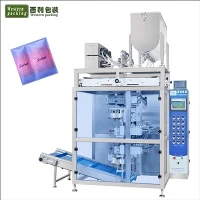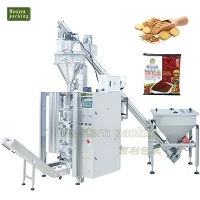

As a seasoned supplier of sachet packing machines, I've witnessed firsthand the challenges that come with keeping these machines running smoothly. One of the most common headaches for operators is jams. Jams not only disrupt production but can also lead to increased maintenance costs and downtime. In this blog, I'll share some practical tips on how to prevent jams in a sachet packing machine, drawing from my years of experience in the industry.
Understanding the Causes of Jams
Before we dive into prevention strategies, it's essential to understand what causes jams in the first place. There are several factors that can contribute to jams in a sachet packing machine:
- Product Characteristics: The nature of the product being packed plays a significant role. Viscous or sticky products, such as sauces or gels, are more likely to cause jams compared to free - flowing powders or granules. For example, a Sauce Packet Machine may face more frequent jams due to the high viscosity of the sauce.
- Machine Design and Condition: Worn - out parts, improper alignment of components, or a poorly designed feeding system can all lead to jams. If the machine's cutting blades are dull, they may not cut the sachet material cleanly, causing it to bunch up and jam the machine.
- Operator Error: Incorrect settings, such as improper speed or temperature, can also result in jams. Operators may also overload the machine by feeding too much product at once.
Preventive Maintenance
Regular preventive maintenance is the cornerstone of jam prevention. Here are some key maintenance tasks that should be carried out:
- Cleaning: Regularly clean all parts of the machine that come into contact with the product. This includes the feeding system, filling nozzles, and cutting blades. For a Sport Energy Gel Irregular Shape Stick Packing Machine, ensuring that the filling nozzles are free from gel residue is crucial to prevent clogs.
- Lubrication: Proper lubrication of moving parts reduces friction and wear, minimizing the risk of jams. Check the lubrication levels regularly and follow the manufacturer's recommendations for lubricant type and frequency of application.
- Inspection and Replacement of Parts: Regularly inspect all machine parts for signs of wear or damage. Replace worn - out parts promptly to prevent them from causing jams. This includes belts, chains, gears, and cutting blades.
Product Handling
How you handle the product before it enters the packing machine can also have a significant impact on jam prevention:
- Product Preparation: Ensure that the product is in the right consistency and free from any foreign objects. For example, if you're packing a sauce, make sure it has been properly filtered to remove any lumps or debris.
- Proper Feeding: Use a consistent and controlled feeding method to prevent overloading the machine. Automated feeding systems can help ensure a steady flow of product into the machine. Avoid sudden changes in the feeding rate, as this can cause jams.
Machine Settings
Optimizing the machine settings is crucial for preventing jams:
- Speed and Temperature: Set the machine speed and temperature according to the product's characteristics. Running the machine too fast can cause the product to back up and jam the system, while incorrect temperatures can affect the product's viscosity and flowability. For a Sauce Sachet Stick Pack Filling Machine, the filling speed and sealing temperature need to be carefully adjusted to avoid jams.
- Alignment: Make sure all machine components are properly aligned. Misaligned parts can cause the sachet material or the product to get stuck, leading to jams. Regularly check and adjust the alignment of the feeding system, sealing bars, and cutting blades.
Operator Training
Well - trained operators are essential for preventing jams. Provide comprehensive training to your operators on how to operate the sachet packing machine correctly. This should include:
- Machine Operation: Teach operators how to start, stop, and adjust the machine settings. They should understand the functions of each component and how to troubleshoot common problems.
- Jam Prevention and Clearing: Train operators on the preventive measures discussed above and how to clear jams safely and efficiently when they occur. Encourage them to report any potential issues or abnormalities immediately.
Monitoring and Feedback
Implement a monitoring system to keep track of the machine's performance. This can include sensors that detect blockages or abnormal vibrations. Analyze the data from the monitoring system regularly to identify any patterns or trends that may indicate a potential jam problem. Provide feedback to operators based on the monitoring results, and make adjustments to the machine settings or maintenance schedule as needed.
Choosing the Right Machine
Selecting the right sachet packing machine for your product is also important. Different machines are designed to handle different types of products and packaging requirements. For example, if you're packing oil, look for an Oil Pouch Packing Machine Manufacturers that is specifically designed for handling oil products. Consider the machine's capacity, speed, and flexibility to ensure that it can meet your production needs without causing jams.
Final Thoughts
Preventing jams in a sachet packing machine requires a comprehensive approach that includes preventive maintenance, proper product handling, optimized machine settings, operator training, and monitoring. By implementing these strategies, you can minimize the occurrence of jams, improve the efficiency of your production line, and reduce maintenance costs.
If you're in the market for a high - quality sachet packing machine or need advice on jam prevention, we're here to help. Our team of experts has years of experience in the industry and can provide you with the best solutions for your specific needs. Contact us today to discuss your requirements and start a fruitful partnership.


References
- Industry guidelines on sachet packing machine maintenance and operation.
- Personal experience and expertise from years of working with sachet packing machines.
- Research on the impact of product characteristics on machine performance.