
When you’re running a food packing machine supply business, one of the most common questions we get from clients—whether they’re small-batch roasters, sugar producers, or artisanal spice makers—isn’t just about machine speed or capacity. It’s about certifications: “What do I actually need to make sure my packing machine is safe, compliant, and won’t shut down my operation mid-run?”
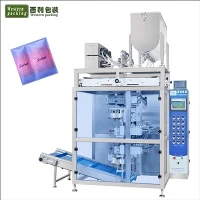
As someone who’s worked with food packaging equipment for over a decade, I’ve seen too many businesses get tripped up by skipping the right certifications. A machine that looks affordable or impressive on a spec sheet can land you with fines, product recalls, or even put your customers at risk if it doesn’t meet global food safety standards. That’s why I want to break down the certifications that matter most, and how they tie directly to the machines we build, from our Automatic Pouch Filling And Sealing Machine to our Multi Lane Stick Packing Machine for single-serve sachets.


First: The Non-Negotiable Core Certifications for Food Contact Equipment
If your packing machine comes into direct contact with food products—like the hoppers that hold coffee powder, the sealing jaws that close curry pouches, or the conveyors that move sugar grains—there are two certifications you can’t skip. The first is 3-A Sanitary Standards, a set of guidelines developed specifically for food and beverage equipment in the U.S. and many global markets. The second is NSF/ANSI Standard 21, which focuses on materials that touch food.
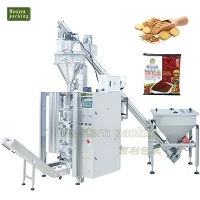
Let’s be clear: these aren’t just “feel-good” certifications. A machine that isn’t 3-A compliant can have hard-to-clean crevices, cracks, or surfaces that harbor bacteria like Salmonella or E. coli. For a Coffee Powder Packaging line, that’s a big deal because coffee is often stored for months before it’s brewed, and any cross-contamination from unhygienic equipment can ruin a batch and hurt your brand. Similarly, a Curry Powder Packing Machine that doesn’t meet 3-A standards might trap residual spice dust, leading to flavor contamination between batches—something no spice producer wants to deal with during a high-demand holiday season.
I remember a client a few years back who bought a cheap packing machine from an overseas supplier that claimed to be “food-safe” but lacked 3-A certification. When they did a routine food safety audit, inspectors found mold growing in the machine’s undercarriage. They had to shut down production for two weeks, recall 12,000 pouches, and miss a critical retail deadline. That mistake cost them more than twice the price of a certified machine—and it all could have been avoided with the right certifications.
Regulatory Certifications: Market-Specific Requirements
Beyond the core sanitation standards, you need certifications that align with where your machines will be used. If you’re selling in the U.S., that means compliance with the Food and Drug Administration (FDA) Food Safety Modernization Act (FSMA). FSMA doesn’t just apply to food—it also covers the equipment used to process and package it. For example, our Food Packaging Vacuum Machine designed for vacuum-sealing meat or nuts has components that are FDA-approved to avoid leaching chemicals into food, which is a key FSMA requirement.
If you’re targeting European markets, the European Council’s Directive 1935/2004 on food contact materials is non-negotiable. This directive sets strict rules for materials that touch food, requiring manufacturers to prove that their equipment won’t transfer harmful substances. A Multi Lane Stick Packing Machine sold in Germany, for instance, must be labeled to show compliance with this directive to avoid customs delays or fines. For clients in Asia, certifications like China’s GB 4806 series (for food contact materials) or Japan’s JFS (Japan Food Safety) are equally important—never assume a certification from one region works in another.
We always build our machines with these regional certifications in mind, which is why when you look at our Automatic Pouch Filling And Sealing Machine, you’ll find clear documentation for FDA, EU Directive, and even Australia’s Food Standards Code, since we’ve had clients Down Under too. It takes extra time and upfront work, but it means our clients don’t have to play catch-up later.
Performance and Safety Certifications: Keeping Your Operation Running
Certifications aren’t just about food safety—they’re also about keeping your workers safe and your machine operating reliably. Two key certifications here are the Occupational Safety and Health Administration (OSHA) compliance in the U.S., and CE marking (Conformité Européenne) for the European Economic Area. OSHA requires that packing machines have guardrails around moving parts (like the rotating jaws of a sealing machine) and emergency stop buttons that are easily accessible. CE marking covers both safety and environmental standards, including noise levels and energy use—important for factories where multiple machines run 12-hour shifts.
I’ve heard a lot of operators say, “My machine works fine without those guards,” but I’ve also seen what happens when a worker gets caught in a conveyor because a guard was removed to speed up a run. That’s why these certifications matter—they’re not just red tape, they’re built to prevent accidents. For example, our Coffee Powder Packaging machines have OSHA-compliant safety interlocks that shut down the conveyor if a guard is opened, so workers can clear a jam without risking injury.
Another often-overlooked certification is ISO 9001 for quality management systems. This isn’t specific to food, but it means the manufacturer follows consistent processes to design, build, and test their equipment. When you buy a machine from a supplier with ISO 9001 certification, you can count on every unit being built to the same specs—no hidden corners or inconsistent parts. We’ve had clients who switched from a non-ISO supplier and noticed a 15% drop in downtime, because our machines are built to tighter, more consistent standards.
Specialty Certifications for Niche Food Products
If you’re packing specialized foods, you might need extra certifications tailored to your product. For example, for organic foods, many retailers and certifiers require that the packing machine is GFSI (Global Food Safety Initiative) certified, which includes standards for organic handling to avoid cross-contamination with non-organic products. If you’re packing allergens (like nuts, dairy, or soy), you’ll need a machine that’s designed for allergen control—something we build into our machines with dedicated hoppers and easy-to-clean surfaces, and which is documented in our allergen management certification.
We also work with clients who pack sugar, which has its own set of needs. Our Food Packaging Vacuum Machine for sugar, for instance, is designed to handle sugar’s abrasive texture without damaging the machine, and it meets specific certifications for dry, granular food products that prevent dust buildup (a fire hazard in factories). That’s a specific detail you won’t get with a generic packing machine—because it’s built for the product, not just the packaging.
Common Mistakes Clients Make When Choosing Certifications
I’ve seen three mistakes new buyers make over and over. First, assuming that “food-safe” is a catch-all certification. It’s not. “Food-safe” is a general term, but you need specific certifications like NSF 21 or 3-A to prove it. Second, skipping certifications to save money. A $5,000 machine without the right certifications might seem like a steal, but if it gets you shut down, that $5,000 is just a fraction of the losses. Third, buying a machine that’s certified for one region but not the one you operate in. For example, a machine with CE marking isn’t automatically FDA-compliant for the U.S.—you need both.
At our company, we’ve built our business on making this process easy for clients. Every machine we sell—from our Curry Powder Packing Machine to our Multi Lane Stick Packing Machine—comes with full documentation of all required certifications, so you don’t have to hunt for it. We also work with clients to confirm which certifications they need based on their location and product, whether they’re a small startup packing single-serve tea sachets or a large corporation packing 50-pound bags of sugar.
Final Thought: Certifications Are an Investment, Not a Cost
When you’re shopping for a food packing machine, it’s tempting to focus on price or speed. But the certifications are what make that machine worth the investment. They protect your customers, your workers, your brand, and your bottom line. A machine without the right certifications can lead to product recalls, fines, reputational damage, and even legal liability. A certified machine, on the other hand, lets you operate with confidence, knowing your packing process is compliant, safe, and ready to grow with your business.
If you’re in the market for a certified food packing machine, whether you need a compact Automatic Pouch Filling And Sealing Machine for your artisanal coffee shop or a high-capacity Coffee Powder Packaging line for a national roaster, we’re here to help. Reach out to our team to discuss your specific needs, and we’ll walk you through the certifications that matter most for your operation.
References
- U.S. Food and Drug Administration. (2023). Food Safety Modernization Act (FSMA) Overview.
- 3-A Sanitary Standards, Inc. (2022). Standard for Equipment and Components for Food, Beverage, and Pharmaceutical Facilities.
- National Sanitation Foundation (NSF). (2021). NSF/ANSI Standard 21: Food Equipment Materials.
- European Commission. (2004). Directive 1935/2004 on Food Contact Materials and Articles.
- Occupational Safety and Health Administration (OSHA). (2023). Machinery Guarding Requirements for Food Processing Equipment.
- International Organization for Standardization (ISO). (2015). ISO 9001: Quality Management Systems — Requirements.
- Global Food Safety Initiative (GFSI). (2022). Benchmarking Requirements for Food Safety Certification Schemes.