
When I first started working as a Shampoo Packaging Machine supplier, one question kept popping up again and again from our clients: Can a shampoo packaging machine work with shrink-wrap packaging? I get it—if you’re in the shampoo business, you’re balancing efficiency, product protection, and shelf appeal, and you don’t want to have to overhaul your entire line just to switch up your packaging style. After years of troubleshooting, testing, and working directly with brands from small indie lines to large global consumer product companies, I can tell you the answer is a resounding yes. It’s not just possible—it’s often a smarter way to streamline your entire packaging process. Let me break down why this works, how to make it happen, and what you need to watch out for to avoid common missteps.
First, let’s ground this in what shrink-wrap actually does for shampoo. Unlike simple pouches or bottles, shrink-wrap packaging is a flexible plastic film that’s heated to conform tightly to individual shampoo bottles, multi-packs, or even sachets. It adds a layer of protection against dust, moisture, and minor impacts during shipping, and it can also be printed with vibrant, consistent branding that stands out on crowded store shelves. For brands selling multi-packs—like three bottles of 2-in-1 shampoo or travel-sized sachets for travel—shrink-wrap is a game-changer because it holds the group together, so customers don’t have to fumble with loose items.
The key here is that your existing shampoo packaging machine doesn’t need to be replaced to integrate shrink-wrap. In fact, most modern packaging lines are modular, which means you can add a shrink-wrap unit to your current setup without major disruptions. Let’s start with how the core process works, because that’s where a lot of people get confused. Shampoo packaging typically has two main steps: filling the product into a container (bottle, sachet, pouch, etc.) and then packaging that container for distribution. A standard shampoo filling packing machine is designed to handle the filling, capping, and sometimes labeling, and adding a shrink-wrap component is just the next step in the line, not a complete replacement.
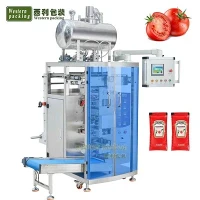
Take liquid pouch packing machines, for example. These are often used for single-use shampoo sachets, which are super popular for hotel minibars, sample kits, or budget-conscious customers. If you’re already using a liquid pouch packing machine to fill and seal small sachets, adding a shrink-wrap machine after that line lets you bundle 10 or 20 sachets into a single shrink-wrapped pack. This works seamlessly because the sachets already have a consistent size and shape that the shrink-wrap machine can easily handle—no need to redesign your sachet or rework your filling process. I’ve seen this work with everything from 10ml travel sachets to 50ml sample pouts; the modular design of these machines is built to adapt.
Another piece of the puzzle is the type of shrink-wrap film you use, which matters a lot for compatibility with your shampoo packaging machine. Shrink-wrap for shampoo is usually made of polyolefin or PVC, both of which have different shrink temperatures and flexibility. Polyolefin is more eco-friendly and fits snugly around irregular bottle shapes, which is perfect for shampoos with pumps, flip-top caps, or decorative contours. PVC is cheaper and shrinks faster, but it’s less flexible, so it’s better for uniform, simple-shaped bottles. The good news is that when you work with a reputable supplier like the team I’m part of, we can help you select the right film for your line, so you don’t have to guess.
Now, let’s talk about the practical setup, because that’s where many clients struggle at first. If you already have a vffs packaging machine—vertical form, fill, seal machines that create pouches or bags from a roll of film—you might think that can’t work with shrink-wrap, but that’s not true. Wait, VFFS machines actually create the primary package, and then shrink-wrap is applied as secondary packaging. For example, if your VFFS line is filling shampoo into individual stand-up pouches, you can send those poucts down a conveyor to a shrink wrapper that groups them into bundles and applies the outer film. The two machines work in sequence, with a simple conveyor bridge connecting them, so there’s no downtime or need for extra labor to handle the packages between steps. For high-volume brands, this integration keeps the line running smoothly, with minimal manual intervention.
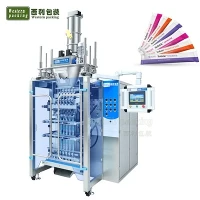
I’ve also worked with clients who use multi lane packing machines, which are designed to run multiple lanes of product at once—ideal for brands that package shampoo in large quantities. A multi lane packing machine can handle 4, 6, or even 12 sachets or bottles in parallel, and adding a shrink-wrap unit after that means you can wrap all those lanes into a single pack. This cuts down on time because instead of wrapping each lane individually, the shrink machine takes the entire group at once. For a brand that’s packaging 10,000 shampoo units an hour, that efficiency is non-negotiable, and integrating shrink-wrap with a multi lane line makes perfect sense.
Of course, there are a few things you need to get right to make this work. The first is product compatibility: shampoo is a liquid, so you have to make sure that your primary packaging (the bottle, pouch, etc.) is fully sealed before it goes into the shrink-wrap machine. If there’s any leakage, the liquid will get onto the film or the machine, causing jams, contamination, and wasted product. That’s why choosing a high-quality shampoo filling packing machine is critical—one that uses precision filling nozzles and reliable sealing to prevent leaks. We’ve seen clients who tried to use cheap, off-brand filling machines have issues here, so investing in a reliable setup is worth the cost in the long run.
Next, shelf life is a factor. Shrink-wrap can add an extra layer of protection, but it’s important to make sure that the film doesn’t react with the shampoo formula. Some shampoos have ingredients like essential oils or fragrances that might break down certain types of plastic, leading to off-flavors or reduced shelf life. We always recommend doing a small test run first—take a batch of your filled shampoo units, run them through a shrink-wrap trial, and check the product after a few weeks to make sure there’s no degradation. Most of the time, using food-safe (or in this case, cosmetic-safe) polyolefin film eliminates this risk, but testing is always a good step.
Another common question is about speed. Can your existing shampoo packaging machine keep up with the shrink-wrap line? The answer is usually yes, as long as you’re matching the speeds of the different machines. For example, if your filling machine runs at 50 units per minute, your shrink-wrap machine needs to be able to wrap at least 50 units per minute (or bundle them, so if each bundle has 5 units, it needs to run at 10 bundles per minute). Modular machines make this easy because they’re built with adjustable speed settings, so you can tweak them to work in sync. We’ve had clients who were worried about bottlenecks, but after adjusting the conveyor speed and machine settings, their lines ran just as smoothly as before, with the added benefit of shrink-wrap packaging.
Let me give you a real example from a client I worked with last year. They were a small brand making natural shampoo in 250ml bottles, and they were packaging them individually with a basic labeling machine. They wanted to switch to selling 3-packs at a time, so they didn’t have to handle each unit separately. We recommended adding a semi-automatic shrink-wrap unit to their existing line—they already had a shampoo filling packing machine that handled the bottles and caps. The setup took less than a day to install, and they were able to start producing 3-packs immediately. They told us that sales went up 25% because the shrink-wrapped packs looked more professional on store shelves, and they saved on shipping costs because the shrink-wrap was lighter than a cardboard box. That’s the kind of win-win that makes this integration worth it.


Now, if you’re using smaller packaging, like shampoo sachets, the same logic applies. A shampoo sachet filling machine is designed to fill small, lightweight pouches, and adding a shrink-wrap unit to bundle those sachets works just as well. We have a lot of clients in the hospitality industry who use this setup to make bulk packs of shampoo sachets for hotels, and they love how it reduces their packaging waste (since shrink-wrap is often thinner than cardboard) and makes storage easier. Shrink-wrap also protects the sachets from being torn or opened accidentally, which is a big plus for high-volume environments like hotels.
There’s also the question of sustainability, which is a big concern for most brands now. Shrink-wrap doesn’t have to be bad for the environment. Many shrink-wrap films are recyclable, and some suppliers offer biodegradable options for brands that want to reduce their carbon footprint. When you work with a reputable machine provider, they can help you find shrink-wrap solutions that align with your sustainability goals, so you don’t have to choose between packaging appeal and environmental responsibility.
So, putting it all together: yes, a shampoo packaging machine can absolutely work with shrink-wrap packaging. The key is to use modular, compatible equipment, select the right shrink-wrap film, ensure your primary packaging is fully sealed, and sync the speeds of your different machines. Whether you’re using a liquid pouch packing machine for sachets, a multi lane packing machine for high volumes, a VFFS packaging machine for stand-up pouches, or a shampoo sachet filling machine for small units, adding a shrink-wrap component is a straightforward process that can boost your brand’s sales, reduce packaging costs, and improve product protection.
If you’re thinking about making the switch or want to learn more about how your specific line can integrate shrink-wrap packaging, don’t hesitate to reach out. We’ve helped dozens of shampoo brands of all sizes streamline their packaging processes, and we can work with you to find a solution that fits your needs and budget. Whether you need to add a shrink-wrap unit to your existing setup or build a new line from scratch, we have the expertise to guide you every step of the way.
Now, let’s address some of the technical considerations to make sure you’re fully prepared. First, the shrink-wrap process requires controlled heat, so you’ll need a heat tunnel as part of your shrink-wrap setup. The heat tunnel’s temperature is adjustable, which is important because different bottle sizes and films require different heat levels. Too much heat can melt the plastic or damage the shampoo label, while too little heat will mean the film doesn’t conform tightly. Most modern shrink-wrap machines have digital temperature controls, so it’s easy to get this right with a little testing.
Another thing to keep in mind is product handling. Shampoo bottles can be heavy or have odd shapes, so the conveyor system between your filling machine and shrink-wrap machine needs to be gentle enough to prevent damage. We recommend using sloped or roller conveyors that move the product smoothly, without jostling or dropping. For sachets, flat belt conveyors work best because they keep the pouches flat as they move to the shrink-wrap unit.
Maintenance is also key. Like any packaging equipment, your shrink-wrap unit needs regular maintenance to keep it running smoothly. This includes cleaning the heat tunnel, checking the seals on the film roll, and lubricating moving parts. The good news is that if you purchase your equipment from a reliable supplier, they’ll provide training on how to maintain the machines, and they’ll have support staff available if you run into issues. We offer ongoing support to all our clients, so you never have to worry about being stuck with a machine that’s not working.
I’ve seen too many brands hold back on switching to shrink-wrap because they think it’s too complicated or expensive, but that’s just not true. The upfront cost of adding a shrink-wrap unit is often offset by the savings in labor and packaging materials, and the increase in sales from better shelf appeal makes it a smart investment. One client told us that within six months of switching to shrink-wrapped multi-packs, they were able to expand their distribution to 10 more grocery stores, which was directly tied to how their product stood out on the shelves.
At the end of the day, the goal of any packaging setup is to get your product to your customers in good condition, in a way that looks professional and encourages them to buy. Integrating shrink-wrap with your existing shampoo packaging machine lets you do all of that without starting from scratch. Whether you’re a small brand just getting off the ground or a large corporation looking to optimize your line, there’s a solution that works for you.
If you’re ready to explore how this can work for your business, we’re here to help. We can provide custom recommendations based on your current equipment, production volume, and packaging needs, and we can even set up a trial run to show you how the integration works in person. Don’t let the fear of changing your process hold you back—shrink-wrap packaging could be the boost your shampoo brand needs to stand out in a crowded market.
References
- Packaging Machinery Manufacturers Institute. (2022). Modular Packaging Solutions for Consumer Goods. Retrieved from industry publications on packaging efficiency and integration.
- International Safety Organization. (2021). Safety Standards for Shrink-Wrap Packaging of Personal Care Products. Guidelines for safe handling of liquid products in secondary packaging.
- Sustainable Packaging Coalition. (2023). Eco-Friendly Shrink-Wrap Films for Liquid Packaging. Resource on recyclable and biodegradable shrink-wrap options for shampoo and personal care products.
- Journal of Packaging Technology and Science. (2020). Compatibility of Shrink-Wrap Films with Cosmetic Formulations. Study on preventing product degradation from plastic packaging interactions.
- U.S. Food and Drug Administration. (2022). Food and Cosmetic Packaging Safety Guidelines. Regulations for packaging that comes into contact with personal care products like shampoo.