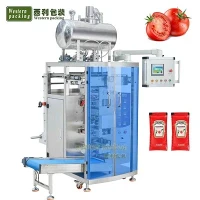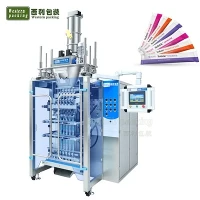

If you’re running a powder packaging operation, chances are you’ve stared at your current packing machine and thought: “This thing’s serving me well, but could it do more?” I’ve been on both sides of this – as the owner of a powder packing machine supplier, I’ve heard every question from clients asking if they can just tweak an old unit, or if it’s worth upgrading the whole thing. Let’s cut through the jargon and get real: yes, your powder packing machine can absolutely be upgraded. And not just little tweaks to make it run smoother – we’re talking big leaps in speed, accuracy, versatility, and even profit, without dropping the cash on an entirely new unit right away.
First off, let’s talk about why you’d even bother upgrading. A lot of operators stick with their old machine because it works, but here’s the thing: markets change. Maybe you started out packing coffee powder in 1kg bags, and now you want to jump into single-serve stick packs for matcha or protein powder. Or your old unit’s accuracy is off by 2% – that’s thousands of dollars in lost product every month, not to mention unhappy customers getting under-dosed packs. I see this all the time: clients come to me with a 10-year-old powder packing machine that’s slowing down their line, can’t keep up with new labeling rules, and they’re worried they have to scrap it. Spoiler: most of the time, that’s not the case. Upgrading is often more affordable than buying new, and it can extend your machine’s life by 5, 10, even 15 years.
Let’s break down the common upgrade paths, starting with the easiest (and cheapest) ones, then moving to bigger overhauls. First up: control system updates. Old machines run on clunky, outdated PLCs (programmable logic controllers) that are hard to find parts for and have clunky interfaces. Swapping that out for a modern, touchscreen PLC is like upgrading from a flip phone to a smartphone. You get real-time data on speed, fill rates, error messages, and even predictive maintenance alerts – so you can fix a small issue before it shuts down your entire line. I had a client last month with a 2008 powder packing machine that was throwing random “fill errors” every shift, costing them 2 hours of downtime a week. We swapped the control system, and those errors? Gone. They now hit 99.8% uptime, no exaggeration.
Next, the fill mechanism – this is where a lot of magic happens. If your old machine uses an auger filler, that’s fine, but it might not handle fine powders or sticky powders well, or it can’t hit the super-high speeds you need for multilane runs. Let’s say you want to start packing matcha powder in stick packs. Your old auger filler might be too slow, or it might not meter the fine, dusty matcha evenly across multiple lanes. That’s where upgrading the filler comes in. We can swap out your standard auger for a micro-auger that handles fine powders like matcha perfectly, or a multi-head filler that syncs with multilane lines. For example, if you’re switching to stick packs, a good upgrade here lets you integrate with a Powder Stick Pack Filling Machine – that link right there is one of our popular multilane units that works seamlessly with upgraded control systems on older machines. We’ve had clients take a 70s vintage powder packer (yes, vintage!) and upgrade the filler and controls to run stick packs at 120 packs per minute – same machine frame, just new guts.
Wait, let’s talk about versatility too. A lot of old powder packing machines are stuck on one pack size: say, 500g bags, and that’s it. But what if you want to do 100g single-serve bags and 2kg bulk bags on the same line? Upgrading the film transport system and the cutting station is a game-changer. You can add quick-change tooling that lets you switch between pack sizes in 15 minutes instead of 2 hours. I had a snus client (you know, that smokeless powder product) who was running two separate lines: one for their mini tins, one for their standard tins. They upgraded their old packing machine’s film and cutting system, plus added a new weighing module, and now they run both on one line. That’s not just saving floor space – that’s cutting labor costs by half. If snus is your product, we even have a Snus Packaging Machine that works as an upgrade to older units, handling the unique packaging needs of that product without a full line replacement.
Then there’s the auxiliary equipment upgrades. You can upgrade your main machine all you want, but if your counting or cartoning unit is lagging, that bottlenecks the whole line. A lot of clients don’t think about that. For example, if you’re running stick packs, after packing, you need to count them and put them into cartons. If your old counting unit can’t keep up with your upgraded stick pack machine, that’s a wasted investment. So instead of buying a whole new line, you can upgrade your counting and cartoning. We often pair upgraded main packing machines with a Stick Bag Counting And Cartoning Machine – that combo lets the whole line sync, so your stick packs get counted and boxed as fast as they’re filled, no gaps in production. That client I mentioned earlier with matcha? They upgraded their filler, then added our multilane matcha packing machine, and paired it with the cartoning unit – their entire line went from 50 sticks per minute to 180, no new machine frame, just targeted upgrades.
Accuracy is another big one. If your old filler is over or under-filling, that’s not just lost product – that’s regulatory issues too, especially for food, pharma, or products with strict labeling laws. Upgrading the weighing or metering system can cut fill error from 2% to 0.1% – that’s thousands of dollars in product saved every month. I have a pharma client who was losing $12k a month in expired over-filled powder because their old machine couldn’t adjust for powder density changes. We swapped their auger for a loss-in-weight filler, which automatically adjusts for how the powder is flowing, and now that loss is down to under $500 a month. Worth every penny of the upgrade cost in the first 2 months.
What about speed? If your old machine runs at 30 bags per minute, but you need 100 to meet demand, upgrading the motor and drive system is usually the fix, not a whole new machine. Old motors are inefficient and can’t handle higher speeds without wearing out. Adding servo motors instead of the old variable frequency drives lets you hit higher speeds while keeping fill accuracy the same, and it’s way more energy-efficient too. I had a coffee powder client who upgraded their motor drives on an old powder bag filling machine – they went from 40 bags per minute to 110, and their electricity bill dropped by 18% because servos are more efficient. That’s a double win: more output, lower operating costs.
Wait, but is there a time when upgrading doesn’t make sense? Yeah, if your machine’s frame is rusted, or the base is worn out, or it’s so old that parts are impossible to find (we’re talking pre-1990s here), then a full replacement might be better. But even then, we can sometimes repurpose the frame if it’s still solid. For most machines built after 2000, upgrading is absolutely feasible, and it’s often a no-brainer vs buying new. Let’s do the math: a full new powder packing line might run $150k-$250k. Targeted upgrades usually run 30-50% of that, and give you 80-90% of the performance of a new line. That’s a huge ROI, especially for small to mid-sized operations that don’t have cash to drop on a whole new unit.


I also want to mention software and connectivity. If you’re into Industry 4.0, upgrading your machine to connect to your factory’s management system is a game-changer. You can track production in real time, get alerts for maintenance before a breakdown, even adjust recipes remotely. So if you have a new powder formula – like a new protein powder with different density – you can just pull up the recipe on your control screen instead of manually adjusting the auger every time. A lot of older machines don’t have that connectivity, but it’s a cheap upgrade that pays off by cutting setup time and reducing errors.
Let’s use a real example from my own customers to make this concrete. A client in the tea business came to me last year. They had a 12-year-old powder packing machine that did 50g green tea powder bags at 45 bags per minute. They wanted to add matcha powder bags (which are finer, more prone to dust, and needed to run at 80 bags per minute to be profitable) plus stick packs for their blends. Their old machine couldn’t handle matcha’s fine texture, and couldn’t do stick packs. Instead of buying a $180k new line, we:
- Swapped out the old control system for a modern touchscreen PLC with recipe storage.
- Replaced the standard auger filler with a micro-auger that handles fine powders.
- Added quick-change tooling for both pillow bags and stick packs.
- Integrated it with a Powder Stick Pack Filling Machine for the stick pack runs.
- Upgraded the cartoning unit to handle both bag sizes.
Total cost? $65k. Now they run matcha pillow bags at 90 per minute, stick packs at 120 per minute, cut changeover time from 2 hours to 10 minutes, and saved over $100k vs buying new. That’s the kind of upgrade that changes a business, no new machine frame needed.
Another client, this one a snus manufacturer, had an old packing machine that was struggling to keep up with demand for their new mini-pouch line. They thought they needed a whole new snus packaging machine, but we upgraded their existing unit’s filler, added a pouch-forming module, and synced it with our stick bag counting and cartoning machine. Now they run their new mini line on the old frame, no extra floor space, and increased output by 75% for less than 40% of a new machine’s cost.
Wait, but I get it – a lot of people are wary of upgrading. They think it’s going to be a huge disruption, take weeks to install, and mess up their production. The truth is, most upgrades can be done during a scheduled shutdown, usually in 3-5 days, sometimes even less. We work with clients to schedule upgrades during slow periods so they don’t lose production, and our techs walk them through how to use the new system so they don’t have to hire extra staff.
So where do you start if you’re thinking about upgrading your powder packing machine? First, do a quick audit of what you need. What’s slowing you down? Is it speed, accuracy, versatility, or a specific product you want to add? Reach out to a supplier that specializes in powder packing machines (hey, that’s us) and ask for a consultation. We don’t push full replacements – we look at your existing machine, your goals, and build a custom upgrade plan that fits your budget. Don’t just go for the cheapest upgrade, either – make sure it’s compatible with your machine, and that the parts are available long-term.
Let me wrap this up. If you’re sitting on an older powder packing machine, don’t write it off as obsolete. It’s almost always upgradeable, and those upgrades can take your production to the next level without the sticker shock of a new unit. Whether you need to run new products like matcha sticks or snus, fix accuracy issues, speed up your line, or cut downtime, there’s an upgrade path for you. The worst thing you can do is keep running a machine that’s holding your business back when a targeted upgrade is a fraction of the cost and gives you almost all the benefits of new.
If you’re ready to chat about what upgrades make sense for your powder packing operation, reach out. We’re here to help you figure out the best path, no hard sells, no empty promises – just real solutions for real powder packing challenges.
References
- International Society of Automation. (2022). "PLC Upgrade Best Practices for Industrial Packaging Equipment."
- Packaging Digest. (2023). "The ROI of Packaging Machine Upgrades vs. Full Replacement in Food and Beverage Operations."
- Powder and Bulk Engineering. (2021). "Filler Technology Upgrades for Fine and Specialty Powders."