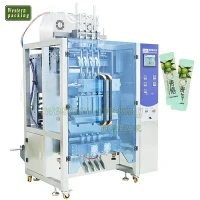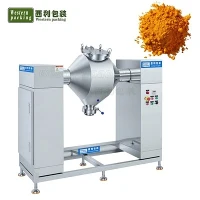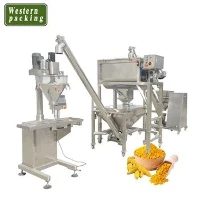

Hey there! As a supplier of vertical packing machines, I often get asked about one crucial aspect: the power consumption of these machines. It's a topic that matters to a lot of folks in the packaging industry, whether you're a small business owner or part of a large manufacturing unit. So, let's dive right in and explore what goes into the power consumption of a vertical packing machine.
First off, what affects the power consumption of these machines? Well, there are several factors at play. The type of vertical packing machine is a big one. For instance, if you're looking at a Powder Pouch Filling Machine, it might have different power requirements compared to a Vertical Liquid Packing Machine. The reason behind this is the nature of the product being packed.
Powder filling machines usually have components like augers or vibratory feeders to handle the powder. These components need power to operate, and the more precise the filling needs to be, the more energy might be consumed. On the other hand, liquid packing machines have pumps and valves to manage the flow of liquids. The power needed for these pumps can vary depending on the viscosity of the liquid. Thicker liquids might require more powerful pumps, which in turn use more electricity.
Another factor is the size and capacity of the machine. A Packaging Machine 1Kg that's designed to pack larger quantities at once will generally consume more power than a smaller, lower-capacity model. This is because larger machines have bigger motors and more extensive conveyor systems to handle the increased workload.
The speed at which the machine operates also plays a significant role. If you want your vertical packing machine to run at a high speed to meet a large production demand, it's going to use more power. Think of it like driving a car—going faster requires more fuel. Similarly, a packing machine running at a high speed needs more electrical energy to keep all its components moving smoothly.
Let's talk about the electrical components inside a vertical packing machine that consume power. The main motor is the heart of the machine, and it typically accounts for a significant portion of the power consumption. This motor is responsible for driving the conveyor belts, the filling mechanisms, and other essential parts of the machine.
There are also control panels and sensors. These are crucial for the proper functioning of the machine, but they also use power. The control panels manage the settings and operations of the machine, while sensors detect things like the presence of a pouch, the level of the product, or the position of the sealing mechanism.
Now, you might be wondering about the actual power consumption figures. Well, it's not that straightforward. Power consumption can range from a few hundred watts for small, basic models to several kilowatts for large, high-speed machines. For example, a small Powder Pouch Packing Machine used in a small bakery might consume around 500 - 1000 watts. In contrast, a large industrial Vertical Tea Packing Machine that operates at a high speed could use 3 - 5 kilowatts or even more.
It's important to note that these figures can vary based on the factors we discussed earlier. Plus, the efficiency of the machine also plays a role. A well-designed and maintained machine will generally consume less power than an older or poorly maintained one.
So, why does power consumption matter? Well, for one, it has a direct impact on your operating costs. Higher power consumption means higher electricity bills, which can eat into your profits over time. It's also important from an environmental perspective. As more and more businesses are looking to reduce their carbon footprint, minimizing power consumption is a step in the right direction.
If you're in the market for a vertical packing machine, it's a good idea to consider the power consumption along with other factors like the cost, the quality of the machine, and its compatibility with your products. A machine that uses less power might have a higher upfront cost, but it could save you money in the long run through reduced electricity bills.


When choosing a vertical packing machine, you should also look for features that can help reduce power consumption. Some machines come with energy-saving modes, where they can adjust their power usage based on the workload. Others might have more efficient motors or components that use less electricity without sacrificing performance.
As a supplier, I understand the importance of providing machines that are not only reliable and efficient but also energy - friendly. That's why we work hard to design and manufacture vertical packing machines that strike the right balance between power consumption and performance.
If you're interested in learning more about our vertical packing machines or have any questions regarding power consumption, don't hesitate to reach out. We're here to help you find the perfect machine for your business needs. Whether you're packing powders, liquids, or tea, we've got a solution for you.
In conclusion, the power consumption of a vertical packing machine is influenced by various factors such as the type of machine, its size, speed, and the electrical components it uses. By understanding these factors, you can make an informed decision when purchasing a machine and potentially save on operating costs. So, if you're looking to invest in a vertical packing machine, consider the power consumption and how it fits into your overall business strategy.
References
- Industry reports on packaging machinery efficiency
- Technical specifications of vertical packing machines from leading manufacturers