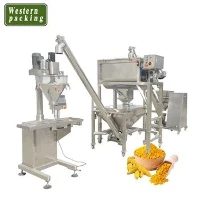

If you’ve ever stepped into a food processing plant, a detergent manufacturing factory, or a pharmaceutical production facility, you’ve likely seen a powder mixing machine mixer hard at work. These machines turn raw powders—whether they’re for cake batter bases, laundry detergent, or vitamin supplements—into uniform, consistent mixtures that are impossible to create by hand. As a supplier of these essential industrial tools, I’m often asked one question more than any other: What is the price range of powder mixing machine mixers?
The short answer is there’s no one-size-fits-all figure. Prices for these machines shift based on capacity, build quality, design, and the specific materials they’re built to handle. A 100-kilogram benchtop model for small-scale bakeries will cost far less than a 5,000-kilogram industrial ribbon mixer for large detergent production. To break this down, let’s look at the key factors that drive pricing, the typical ranges, and how to choose the right mixer for your budget and needs.
First, let’s talk about capacity—this is the biggest driver of cost. Small-scale operations, like local bakeries or artisanal detergent makers, often need compact machines that fit in limited workspace. A Powder Mixing Machine 100 Kg, for example, is designed for low-volume production, perfect for small batches of baking powder, spice blends, or small-batch laundry soap. These entry-level machines are usually benchtop or floor-standing with a mixing capacity between 50 and 200 kilograms. Their price range? Typically between $1,200 and $4,500. This range covers basic models with manually operated lids, smaller motors, and mild steel construction for non-corrosive powders. For a bakery just starting out, this is a accessible investment—enough to produce 100 kg batches without breaking the bank.
Next, medium-scale operations need machines that handle more volume but aren’t quite as large as industrial models. These might include mid-sized bakeries, small detergent brands, or cosmetic powder manufacturers. A Ribbon Mixer Dry Powder Mixing Machine, a popular design for gentle, even mixing of dry powders, is often used here. Ribbon mixers have a horizontal U-shaped trough with a spiral agitator that moves powders smoothly without creating excess heat, which is crucial for ingredients like baking soda, flour, or certain cosmetic powders. Medium-scale ribbon mixers usually have capacities between 200 and 1,500 kilograms. Their price range falls between $5,000 and $25,000. The jump here comes from features like stainless steel construction (more durable and resistant to corrosion than mild steel), automatic discharge valves, and variable speed controls that let operators adjust mixing time based on the powder type.
For large-scale industrial operations—think major detergent manufacturers, pharmaceutical companies, or global food brands—capacity jumps to 1,500 kilograms and up. These machines are built for 24/7 use, with heavy-duty motors, fully automated controls, and food-grade or industrial-grade stainless steel to withstand frequent cleaning and harsh materials. A Detergent Powder Mixing Machine, for instance, needs to handle large batches of powdered chemicals and detergents, which are often corrosive. These industrial models cost between $28,000 and $150,000, and sometimes more for custom-built machines that fit specific factory layouts or handle unique powder blends. The higher price isn’t just for size—it’s for durability, automation, and compliance with strict industry standards (like FDA for food or GMP for pharmaceuticals).
But capacity isn’t the only thing that affects price. The type of mixer also matters. Let’s take the Bake Agitated Powder Mixer, a design specifically tailored for baking ingredients. This type often has a slower agitator speed to avoid damaging delicate ingredients, like chocolate chips or fine flours that can clump if mixed too quickly. Because they’re built with baking-specific needs in mind, their price falls in the medium range—usually between $6,000 and $18,000, depending on capacity. On the other hand, a Washing Powder Mixing Machine Mixer is built for more rugged use with powdered detergents, which are often coarser and may include chemical additives. These models have stronger agitators and may include built-in dust collection systems to keep the workspace clean, adding a few thousand dollars to the price compared to a standard ribbon mixer of the same capacity.
Build quality is another key factor. A mixer made with mild steel will be cheaper, but it’s not ideal for corrosive powders (like many detergents) or for facilities that require daily heavy cleaning. Stainless steel, while more expensive upfront, lasts longer, is easier to sanitize, and doesn’t react with most powders—so it saves money in the long run. A basic 100 kg mild steel mixer might cost $1,200, while a 100 kg stainless steel model could be $1,800. For medium-scale operations, that extra $600 is worth it to avoid frequent repairs and ensure product safety.
Automation also plays a big role in pricing. Entry-level models are often manually operated: you load the powder, set a timer, and unload by hand. Medium-scale models might have semi-automated features like motorized discharge and digital timers, cutting down on labor time. Industrial models are fully automated, with PLC controls that let you program mixing times, adjust speeds, and even connect to factory data systems. A fully automated 1,000 kg ribbon mixer, for example, will cost $10,000 more than a manual version of the same size. For factories with high production volumes, that automation translates to faster, more consistent batches and fewer mistakes—making the higher price a smart investment.
It’s also important to consider hidden costs. When budgeting for a powder mixing machine mixer, don’t forget installation, training, and after-sales support. Smaller machines are easy to set up, but larger industrial models might require professional installation, electrical upgrades, or even custom modifications to fit your factory space. Training your team to use the machine safely and correctly is another cost—skimping on this can lead to accidents, damaged machines, or inconsistent product quality. At our company, we include basic training for all customers, and offer maintenance packages that help keep mixers running smoothly for years.
So, how do you know which price range is right for you? Start with your production volume. If you’re making less than 200 kg of powder per batch, a small 100 kg model will fit your needs and budget. If you’re making 500 to 1,500 kg per batch, a medium-scale ribbon mixer is a better choice. For batches over 1,500 kg, an industrial model is necessary. Also, think about the type of powder you’re mixing: delicate baking powders need a different mixer than harsh detergent powders, so adjust your choice accordingly.


I’ve seen too many operators choose the cheapest mixer they can find, only to regret it a few months later when it breaks down or can’t keep up with production. A high-quality mixer might cost more upfront, but it will save you money on repairs, downtime, and lost product. On the flip side, there’s no need to overspend on features you don’t need—if you’re a small bakery, a fully automated industrial mixer is unnecessary and a waste of budget.
If you’re still not sure which price range or model is right for your business, we’re here to help. Whether you’re looking for a compact benchtop mixer, a medium-scale ribbon mixer, or an industrial machine, we can walk you through the options, explain the differences between models, and help you find one that fits your production goals and budget. You can browse our full range of powder mixing machines, including the specific models I mentioned, on our website to learn more.
Don’t let the price range of powder mixing machine mixers overwhelm you. With a little clarity on your production needs, capacity, and the type of powders you handle, you can find a machine that’s both affordable and perfect for your business. For more details or to discuss your requirements, reach out to our team to start a conversation tailored to your specific needs.
References
- Industrial Powder Mixing Equipment: Capacity, Design, and Cost Considerations. Journal of Manufacturing Processes, vol. 45, 2021, pp. 123-135.
- Cost Analysis of Powder Mixing Systems for Small to Medium-Scale Operations. Food and Beverage Packaging Magazine, vol. 18, no. 3, 2022, pp. 45-52.
- Guidelines for Selecting Powder Mixers Based on Material Compatibility and Production Volume. Pharmaceutical Engineering Journal, vol. 12, no. 2, 2020, pp. 67-74.