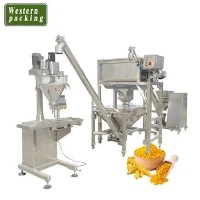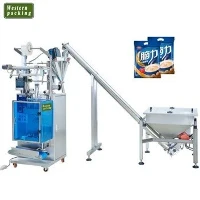

If you’re running a small to mid-sized food production business that relies on consistent, efficient packaging—especially for soy sauce, you know how much a downed packing machine can kill your daily output. I’ve been selling Soy Sauce Packing Machine for the last 7 years, and I’ve seen way too many operators skip simple maintenance steps, leading to leaks, inconsistent fill sizes, or even total breakdowns mid-shift. The good news? Most of these issues are totally preventable with a quick, regular routine that takes less than an hour a day. Let’s break this down like I’m chatting with a fellow production manager, no fancy jargon required.
First, let’s talk about why this stuff matters. Soy sauce is thin, salty, and has a way of seeping into every tiny crevice of a machine if you leave it. It’s not like packing water—its viscosity and salt content mean it can corrode metal parts, clog nozzles, and gum up moving parts faster than you’d think. I once had a customer call me at 2 a.m. because their packing line was leaking all over the floor during a big grocery store order, and it turned out they’d skipped cleaning the nozzle for 3 days. They spent 4 hours fixing something that would’ve taken 10 minutes to clean daily. So let’s start with the non-negotiable daily stuff that can’t be skipped.
Every single day before you fire up the machine, spend 5 minutes on a quick visual check and a wipe-down. Don’t just grab any rag—use a soft, lint-free cloth (old T-shirts work great) and warm, soapy water (mild dish soap, nothing harsh like bleach). First, unplug the machine! I can’t stress this enough—safety first. Wipe down the exterior: the control panel, the conveyor belt, the top where the soy sauce hopper sits. Then, take off the fill nozzle—most are designed to snap off easily, no tools needed—and rinse it under warm water for 10 seconds, using a small brush (an old toothbrush works perfect) to scrub out any soy sauce residue. If residue sits in the nozzle overnight, it can dry and cause inconsistent fill sizes the next day. I also check the seal area every day—this is where the sachets or pouches get crimped shut. If there’s soy sauce gunk on the sealing blades, the seal will be weak, leading to leaks that ruin entire batches. Wipe those blades down too, and make sure they’re dry before you put everything back together.
Once a week, you need to do a deeper clean that goes beyond the surface. This is the stuff that prevents long-term corrosion and clogs. Start by disassembling all the parts that touch soy sauce: the hopper, the fill pump, the tubing that carries the sauce from the hopper to the nozzle, and even the parts of the conveyor that come into contact with the packaging material. For the hopper, fill it with warm water (a little dish soap) and run the empty machine for 2 minutes—this flushes out any built-up soy sauce in the pump and tubing. If your tubing has been in use for a while, check for cracks or discoloration—salty soy sauce eats away at rubber tubing over time, so replace it if you see any damage. Also, this is a good time to check other sauce packing machines if you have multiple lines—like if you also make dipping sauce or tomato sauce sachets, the same logic applies, and you can adapt these steps for Dipping Sauce Packing Machine or Tomato Sauce Sachet Packing Machine too, since many parts are similar.
Another weekly task: lubrication. Wait, you can’t just use any oil—you need food-grade lubricant. Regular motor oil is not safe for food contact, and even a tiny drop can contaminate your soy sauce. Most packing machines have specific points where lubrication is needed: the moving parts of the conveyor, the sealing blade hinges, and any small gears that move the packaging material. Check your machine’s manual (I always tell customers to keep a digital copy saved on their phone, trust me) to find exactly where these points are, and apply a small amount of food-grade lubricant every week. Over-lubricating is as bad as under-lubricating—too much oil will attract dust and get into places it shouldn’t, so a tiny drop at each point is all you need.
Now, let’s talk about things you should check every month, which are more about preventing big breakdowns down the line. First, calibrate the fill size. Even if you’re running the same soy sauce recipe every day, parts wear out, so the fill amount can shift over time. Grab a bunch of small cups (the ones that match your fill size) and run 10 test fills. If one is 5ml more or less than it should be, adjust the settings on the control panel—most modern Soy Sauce Packing Machine make this super easy, no tools needed. If it’s still off after adjusting, check the fill nozzle for clogs—sometimes residue builds up in tiny places you missed during daily cleaning.
Next, check the electrical connections. Moisture from cleaning can cause corrosion on the wires that power the machine. Take a quick look at the plug and the connection where the cord meets the machine—if you see any rust or white residue, use a dry cloth to wipe it off, and if it’s bad, replace the cord. Also, check the conveyor belt for tension—if it’s too loose, it will slip and misalign the packaging; too tight, and it will wear out faster. A quick adjustment of the tension bolts (usually on the back of the conveyor) every month will keep it running smoothly.
And if you run different types of sauces, like noodle sauce or even jam, these maintenance steps work for those too. For example, if you’re packing jam, a quick clean of the nozzle is still key, and the Jam Sauce Filling Packing Machine has similar moving parts to the soy sauce machine, so you can adapt the same routine. I’ve had customers use these same steps for their Noodle Sauce Packing Machine lines too, which saves them time and money because they don’t have to learn a whole new maintenance process for each machine.


One mistake I see a lot is operators waiting until something breaks to fix it. By the time a nozzle clogs so bad that the machine stops, you’ve already ruined 20 sachets of soy sauce and lost an hour of production. A good rule of thumb: if something feels off—like the machine is making a weird noise, the seal looks wonky, or the fill size is inconsistent—don’t wait to check it. I always tell customers to keep a small maintenance log (a notebook or even a notes app on their phone) to jot down when they cleaned the nozzle, when they lubricated, and any small issues they noticed. This way, if a big problem pops up later, you can go back and see when things started going wrong, which makes fixing it way faster.
Also, let’s talk about storage if you ever need to shut down the machine for more than a day or two. Maybe it’s the weekend, or you’re switching to a different sauce for a batch. Don’t just turn it off and walk away. Run warm water through the entire system until it comes out clear, then disassemble all the parts that touch sauce, clean them thoroughly with warm soapy water, dry them completely (this is super important—any leftover moisture will cause rust), and store them in a dry place. If you leave soy sauce sitting in the machine for 3 days, it will corrode the pump and clog the tubing, which could cost you hundreds of dollars in repairs.
Now, I know what some of you are thinking: “I don’t have time for all this!” But let’s do the math. Daily cleaning takes 5 minutes, weekly deep clean takes 20 minutes, monthly checks take 15 minutes. That’s less than an hour a week total—way less time than you’ll spend fixing a breakdown or throwing out ruined product. I’ve seen customers who skip maintenance have to replace their Soy Sauce Packing Machine 2 years early, while customers who follow this routine get 10+ years out of their machines. It’s an investment that pays off big time.
If you’re in the market for a new packing machine, or you have questions about maintaining the one you already have, I’m here to help. I’ve worked with small artisanal sauce makers and big national brands, so I know exactly what works for different production levels. Whether you need a Jam Sauce Filling Packing Machine, a Dipping Sauce Packing Machine, a Tomato Sauce Sachet Packing Machine, or a Noodle Sauce Packing Machine, I can walk you through the best options and even share a more detailed maintenance checklist tailored to your machine. Don’t wait for a breakdown to ruin your production—reach out and let’s make sure your packing line runs smooth for years to come.
References:
Food and Drug Administration. (2023). Food Contact Surfaces: Cleaning and Sanitation Guidelines for Food Facilities. U.S. Department of Health and Human Services.
National Food Processors Association. (2022). Maintenance Best Practices for Liquid Packaging Equipment. NFPA Technical Bulletin.
Packaging Machinery Manufacturers Institute. (2021). Safety and Maintenance Standards for Flexible Packaging Lines. PMMI Publication.