
If you run a coffee roastery, café chain, or specialty coffee brand, you know how much rides on your packing process. A slow, glitchy coffee packing machine doesn’t just eat into your bottom line—it can mess up order timelines, waste expensive beans or grounds, and even hurt the quality of your final product (like stale coffee that’s been sitting in a half-sealed bag too long). As someone who’s spent the last 8 years selling and supporting all kinds of coffee packing machines (and fixing the ones that break), I’ve seen way too many teams throw money at “new, fancy equipment” instead of tweaking what they already have. Today, I’m breaking down the practical, science-backed tricks I’ve used to help clients boost their packing efficiency by 20-35% without buying a whole new setup overnight.
Let’s start with the most obvious (and most overlooked) thing: matching your machine to your actual product. I can’t tell you how many times a small batch roaster comes to me saying their packing line is garbage, and they’re eyeing a huge, high-speed machine meant for industrial 50lb bean bags—only to find out they’re packing 12oz whole bean pouches and hanging-ear drip bags. If you’re pouring grounds or beans into hanging-ear bags (those little single-serve pouches everyone loves for travel), a generic pouch machine isn’t built to fold the ear tabs, measure out exactly 8g of grounds, or seal tight enough to keep air out. It’s like using a lawnmower to trim a bonsai tree—frustrating, slow, and getting terrible results.


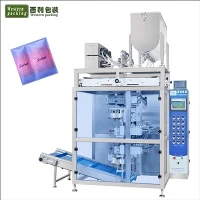
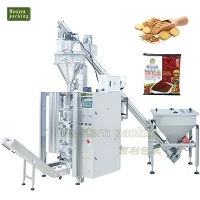
If you’re packaging hanging-ear drip coffee specifically, our Hanging-ear Drip Coffee Bags Packing Machine is built exactly for that: it automatically forms the ear tabs, measures ground coffee with micro-precision, seals the bag without crinkling, and can knock out 60-80 bags per minute. For whole beans, our Pouch Filling And Sealing Machine Coffee Beans handles 1-5lb bags with valve application (critical for letting beans degas without going stale) and adjusts quickly if you switch between 12oz and 2lb pouches. And if you’re packing bulk ground coffee for grocery stores, our Automatic Ground Coffee Powder Packing Machinery has linear measuring augers that cut down on product waste by 10% vs. manual measuring. The point here isn’t that you need the most expensive machine—it’s that you need the right one. Too many clients skip this step, and end up tweaking a bad fit for months when a simple switch would fix everything.
Next up: regular, scheduled maintenance (not just “when it breaks”). I swear by this—I once had a client who ran their packing machine 16 hours a day, 6 days a week, and only called me when it started jamming every hour. When I showed up, I found hardened coffee grounds caked in the filling auger, dust in the sealing jaws, and a sensor that was so covered in old coffee oil it couldn’t read bag sizes correctly. It took 2 hours to clean, replace a worn seal, and calibrate the sensor—and that simple tweak made their line run 2 hours longer per day, no downtime. Coffee is a messy product: it’s oily, dusty, and gets everywhere in a packing machine. If you let old buildup sit, it will slow down every part of the process.
My rule of thumb for maintenance: a 10-minute daily check, a 1-hour weekly deep clean, and a full inspection every 6 months. The daily check takes 10 minutes before you turn the machine on: wipe down the sealing jaws with a lint-free cloth (coffee oil ruins their ability to seal tight), blow out dust from the sensors with compressed air, and make sure the bag feeding mechanism isn’t misaligned. The weekly deep clean takes an hour: take off the filling auger, soak it in warm, soapy water to get rid of caked grounds, and clean the inside of the bag hopper. And the semi-annual inspection? Call in a pro (or a friendly machine supplier) to check for worn belts, replace any old seals, and calibrate the measuring system—this prevents sudden breakdowns that cost you half a day or more. One of my long-term clients does this, and their line has only had 2 unscheduled downtime days in 3 years vs. the industry average of 12.
Another big efficiency killer: bad bag inventory. I’ve seen so many teams hold onto a huge stock of cheap bags because they got a deal, only to find out those bags are too thin, have uneven edges, or stick together when they’re new. When a packing machine pulls a bag to form it, if the bag edges are uneven, it gets stuck 1 out of every 10 cycles. If the bag has a static charge (super common in thin plastic), it will cling to the machine parts or stack on top of each other, causing jams. I once had a client who went through 500 bags of their cheap stock in an hour, vs. 700 bags when they switched to slightly more durable, anti-static bags. That’s a 40% jump in output from just changing your bag supplier.
Pro tip here: test a small batch of bags before buying a full pallet. Run your packing machine on a low speed with the new bags for 10 minutes, count how many jams happen, check if the seals are tight, and make sure the bag fits the machine’s forming rails. If the bags don’t align with the rails, you can adjust the machine’s guides, but if the bags have consistent edge issues, just switch—don’t waste time or money on bags that cause constant jams. If you’re using stand-up pouches, especially, our Coffee Bag Packaging Machine is calibrated to work with standard-sized pouches, but even that can have issues if your bags are off-spec.
Then there’s operator training (shoutout to the teams that skip this). I get it—you hire someone to run the packing line, and you figure they can figure it out. But a good operator can cut downtime by half, while a new or untrained operator can make small mistakes that snowball into big delays. For example: if the operator doesn’t know how to calibrate the machine’s weight sensor, they might overfill or underfill bags, which means a worker has to stop and recheck every 10 bags. Or if they don’t notice a minor jam early, it will turn into a major blockage that takes 20 minutes to fix instead of 2.
I train all my clients’ operators hands-on: we run the machine together for a full shift, go over the common small issues (like a stuck bag in the feeder, a misaligned seal jaw), and practice quick fixes. We also set up a simple troubleshooting cheat sheet taped to the machine: “1. Jams in feeder = check static on bags; 2. Overfilled bags = recalibrate weight sensor; 3. Seals not tight = clean sealing jaws.” Most of the time, operators just don’t know what to look for, so they wait for a tech call instead of fixing the issue in 30 seconds. One client told me after training, their operator now fixes 90% of minor issues on their own, and their line’s efficiency went up 18% in a month.
Wait, can we talk about degassing valves? For roasted coffee beans, not adding a degassing valve to your pouches is a huge mistake—no, not because it hurts the coffee, but because it can mess up your packing machine. Beans release CO2 for weeks after roasting. If you seal a full bag of beans without a valve, the CO2 builds up, blows out the seal, or makes the bag swell so big it gets stuck in the packing line. I had a client a while back who didn’t add valves to their 2lb bean bags, and their line would jam every 15 minutes for the first 3 days after each roast. Once they switched to our Coffee Machine Packing with valve-integrated pouches, the line ran non-stop for those days—no jams, no re-sealing, no wasted product. It’s a small add-on, but it cuts down on so many packing headaches.
Also, adjust your machine’s speed to your product, not just “max speed.” It’s tempting to crank the machine up to its rated maximum—like 100 bags per minute—but only if your product and bags can handle that speed. For example, if you’re packing fine ground coffee, cranking the speed too fast will cause the auger to spill grounds when filling the bag, leading to mess, waste, and reworks. For whole beans, if the speed is too high, beans might bounce out of the forming bag before it’s sealed. My advice: start at 60% of the machine’s max speed, then slowly increase it until you start seeing minor issues (spilling, jams, bad seals). Stop right before that point—that’s your sweet spot. Most coffee packing lines don’t need to run at 100% speed 16 hours a day; consistent, problem-free speed is better than rushing and dealing with constant fixes.
Let’s wrap this up with a quick recap that’s easy to remember: 1) Match your machine to your exact product (don’t use a bulk bean machine for single-serve drip bags—check out our Coffee Bag Packaging Machine, Automatic Ground Coffee Powder Packing Machinery, Hanging-ear Drip Coffee Bags Packing Machine, Pouch Filling And Sealing Machine Coffee Beans, and Coffee Machine Packing for every need); 2) Do daily, weekly, and semi-annual maintenance to avoid downtime; 3) Use high-quality, anti-static bags to cut jams; 4) Train your operators to fix small issues fast; 5) Add degassing valves for whole beans and adjust speed to your product.
At the end of the day, improving packing efficiency doesn’t have to mean investing in a whole new line (though upgrading when you outgrow your current machine is smart). Most of my clients have boosted their output by 25% just by tweaking these small, daily habits. If you’re looking to update your current setup or pick a machine that fits your coffee line specifically, feel free to reach out to discuss your needs.
References
- American Coffee Equipment Association. (2022). Best Practices for Coffee Packing Line Efficiency. Retrieved from industry trade guidelines database.
- Food and Agriculture Organization (FAO). (2021). Reducing Product Waste in Small-Scale Coffee Packaging Operations. Retrieved from FAO agricultural engineering publications.
- International Pack Machinery Association (IPMA). (2023). Preventive Maintenance Schedules for Food Packing Equipment. Retrieved from IPMA technical resource library.
- Specialty Coffee Association (SCA). (2022). Packaging Standards for Specialty Coffee: Handling, Sealing, and Degassing. Retrieved from SCA industry best practices guide.