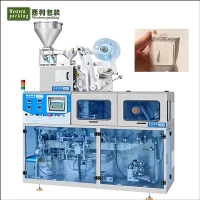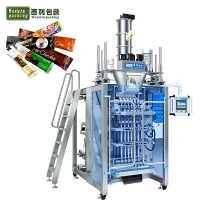

If you’ve ever watched a sachet packing machine operate, you might be surprised at how much goes into keeping that small, seemingly simple packet safe for both the operator and the end user. As a supplier of sachet packing equipment, I’ve worked with dozens of small food manufacturers, personal care brands, and even pharmaceutical startups over the last decade, and one question keeps coming up: “What safety features do I actually need, beyond the basic ‘it fills and seals’?” It’s a fair ask. Cutting corners on safety can lead to workplace injuries, product contamination, or even regulatory fines—none of which a small business can afford. Today, I’m breaking down the non-negotiable safety features every sachet packing machine should have, and why they matter for your operations.
First, let’s start with the most obvious (but often overlooked) safety zone: the point of operation. This is where the film rolls, filling nozzles, and sealing jaws work together, and it’s also where most crush or laceration injuries happen. Years ago, I had a client who tried to save money on a “bare bones” sachet machine for sauce packets. Within three months, they’d had two operators trip over the exposed sealing jaws, and one required stitches on their thumb. The fix? Standard safety door interlocks. These are not just a box to check—they’re a physical barrier that locks automatically when the machine is running, and triggers an immediate stop if someone tries to open the door mid-cycle. Modern interlocks have redundant sensors, too, so even if one sensor malfunctions, a second will still shut the machine down. If you’re looking for a machine that’s built for food and personal care, check out the Sauce Packet Machine from our line— it’s equipped with these interlocks, and it’s passed all OSHA and FDA inspections for small-batch production.
For machines that handle liquid or paste, like our Paste Filling And Sealing Machine, there’s an extra layer of safety tied to product handling. Wait— how does product safety tie into machine safety? Let’s clarify: a machine that leaks product or overfills sachets isn’t just a nuisance—it’s a contamination risk. Overfilled sachets can burst open during transport, leading to messy, unsanitary workspaces. Leaking nozzles, on the other hand, can expose operators to food allergens (like nuts in protein powder sachets) or harsh chemicals in cleaning products. That’s why pressure relief valves and leak detection sensors are non-negotiable. The pressure relief valve prevents the filling system from building up too much pressure, which would cause sachets to burst. The leak detection sensor is a tiny, often overlooked tool: it sits under the sealing area, and if it picks up even a drop of product, it triggers the machine to reject that sachet and stop operations. We installed these on a Shampoo Sachet Packing Machine for a brand that targets sensitive skin— they told me it cut their reject rate by 12% and eliminated all cases of cross-contamination from leftover product. For liquid-specific needs, take a look at our Sachet Packing Machine Liquid, which has upgraded leak sensors tailored for thin, watery products.


Next, let’s talk about operator training and ease of use— two areas that directly impact safety, but are often dismissed as “user issues” instead of “machine design issues.” I’ve seen too many small businesses buy a machine that’s overly complicated, leading operators to cut corners to meet production quotas. For example, a powder packing machine that has a hidden access panel for refilling powder might lead an operator to reach in while the machine is running, risking a hand injury. That’s why a good sachet packing machine should have clear, intuitive controls and lockout/tagout (LOTO) capabilities. LOTO is a standard for industrial machinery: it lets operators lock the machine off during maintenance so no one can accidentally start it while someone is inside. On simpler machines, LOTO is a physical lock; on our more advanced models, it’s a digital access code that only supervisors have, with audit trails to track who accessed the machine when. We recently added these features to our Powder Packing Machine Filling And Sealing line, and a customer in the snack industry told me that new operators were able to use the machine safely within a week, instead of the two weeks it took with their old equipment.
Another safety feature that’s critical for sachet machines, especially for pharmaceutical or food-grade applications, is non-contact safety monitoring. Unlike physical barriers, non-contact sensors use light or motion to detect when someone is near the danger zone. This is a big deal for high-speed machines, where physical barriers might slow down production. For example, if an operator needs to load a new roll of film during a break, the non-contact sensor will detect their hand entering the area, slow the machine to a safe speed, and let them finish without a full shutdown. I’ve seen this prevent a lot of “near misses” that could have turned into injuries. One of our clients that makes single-dose medicine sachets relies on these sensors— they told me that since upgrading their machine with non-contact monitoring, they haven’t had a single report of operator discomfort from the machine. That’s a win for both safety and morale.
Let’s not forget about electrical safety, which is often the foundation of all other safety features. A sachet packing machine runs on electricity, and faulty wiring or poor grounding can lead to electrical shocks or fires. Look for machines that are UL-listed or CE-certified— these certifications mean the machine has been tested for electrical safety, including protection against overheating, short circuits, and water damage. For machines that are used in moist environments (like a sauce packing line that gets splashed with water), waterproof electrical components are a must. I remember a client in a coastal town who bought a cheap sachet machine from a non-certified supplier— within six months, salt air had corroded the wiring, leading to a small electrical fire that damaged part of their production area. They switched to our sauce packet machine, which has sealed electrical components, and haven’t had that issue since.
Now, let’s address a common misconception: some small business owners think “safety features mean higher costs.” Yes, initial costs might be a little higher, but the long-term savings are huge. Workplace injuries can lead to workers’ comp claims, lost production days, and even legal fees. Product contamination can lead to recalls, which can destroy a small brand’s reputation. I’ve had a client who saved $2,000 on a basic machine, only to pay $15,000 in a product recall when un sealed sachets of their sauce made people sick. If they’d invested in a machine with sealing integrity sensors (another must-have feature that checks if the seal is airtight), that recall would never have happened.
For anyone in the market for a sachet packing machine, the key is to match the safety features to your specific product. If you’re packing liquids like shampoo or sauce, leak detection and pressure relief are non-negotiable. If you’re packing powder or fine ingredients, dust explosion protection is a feature you’ll want to look for. Wait— dust explosion protection? That’s right: powder sachet packing machines produce fine dust, which can be flammable. A good machine will have dust extraction systems and spark arrestors to prevent explosions. We added these to our Powder Packing Machine Filling And Sealing line after a client in the coffee industry had a dust-related scare, and it’s become a top-requested feature for brands dealing with fine powders.
At the end of the day, a sachet packing machine’s safety isn’t just about protecting operators—it’s about protecting your product, your brand, and your bottom line. Whether you’re a startup launching your first single-dose sachet or an established brand looking to upgrade, the right safety features will give you peace of mind as you scale.
If you’re ready to learn more about which sachet packing machine is right for your operation, or you have questions about specific safety features, feel free to reach out for a consultation. We’re here to help you find a machine that balances safety, efficiency, and affordability for your business.
References
- Occupational Safety and Health Administration (OSHA). "Industrial Machinery Safety Guidelines for Packaging Equipment." U.S. Department of Labor, 2023.
- Food and Drug Administration (FDA). "Food Packaging Equipment Safety Standards." U.S. Food and Drug Administration, 2022.
- European Committee for Standardization (CEN). "Safety Requirements for Sachet and Small-Pack Packaging Machinery." EN 13462:2021.
- National Fire Protection Association (NFPA). "Hazard Review for Dust-Handling Equipment." NFPA 654:2023.
- International Electrotechnical Commission (IEC). "Electrical Safety Requirements for Packaging Machinery." IEC 60204-1:2022.