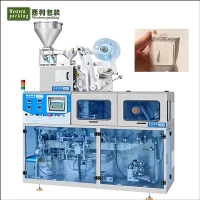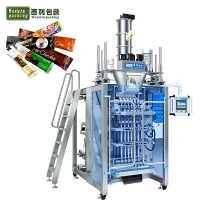

If you run a powder packing machine business, you know that even a small inaccuracy in filling powder can throw off production schedules, frustrate clients, and eat into profits. As a powder packing machine supplier, I’ve spent thousands of hours troubleshooting issues for manufacturers across the food, pharmaceutical, and chemical industries—and inaccurate filling is by far one of the most common problems we see. The good news? Most filling inaccuracies aren’t a sign that your machine is broken beyond repair. They’re usually a small, fixable issue that you can diagnose with a systematic approach. Let’s walk through how to troubleshoot this problem step by step, drawing on real-world cases we’ve resolved for our clients, and how our range of packaging equipment—from the reliable Stick Powder Packing Machine to high-performance Dry Powder Filling Machine—is designed to minimize these headaches from the start.
First, let’s define what “inaccurate filling” really means. For our clients, it’s not just a 1-gram difference in a 100-gram bag—it’s underfilled bags that lead to rejected shipments, overfilled bags that waste raw material, and inconsistent weights that erode customer trust. Recently, I worked with a specialty coffee powder producer who was getting complaints that their 5-gram stick packs had fill weights varying by up to 0.8 grams. They were using a mid-range stick pack machine, and their initial troubleshooting was trial and error, which was costing them hours of downtime per day. Once we walked through our step-by-step process, we got their accuracy back to within 0.1 grams, and they’ve since upgraded to our Multilane 3 Side Stick Powder Packaging Machine for higher-volume runs. Let’s start with the simplest, most common culprits before moving to more complex machine adjustments.
Step 1: Check the Powder Itself (The Most Overlooked Variable)
Before you even touch the machine, look at the powder you’re packing. I can’t stress this enough—most filling inaccuracies trace back to the material, not the equipment. Powder characteristics change how it flows, adheres to parts, and settles, all of which directly affect fill accuracy. Let’s break down the key powder properties to test:
Flowability: Is your powder flowing consistently? Fine powders (like flour or pharmaceutical excipients) tend to clump, while coarser powders (like protein powder) flow freely. If your powder has settled in storage, it can compact, leading to inconsistent flow into the filling chamber. We always recommend clients use a V Blender Powder to ensure uniform particle size and blend consistency before feeding it to the packing machine. A client in the baby food industry once had 20% more fill inaccuracy when they skipped a 10-minute blend step—once they resumed using their V blender, their weights stabilized within hours.
Moisture Content: Even a small amount of moisture can turn a free-flowing powder into a sticky mess that clogs hoppers or sticks to the filling auger. We once had a herbal supplement client whose powder gained 0.5% moisture during rainy weather, leading to consistent underfills (the sticky powder wouldn’t release from the auger). They fixed it by adding a dehumidifier to their storage area, and the issue was gone. To test moisture, use a basic moisture meter—target 0.5-2% moisture for most powders (adjust for your specific product type).
Particle Size Consistency: If your powder has a mix of fine and coarse particles, they’ll segregate as they move through the hopper or auger. Finer particles might fill more tightly, while coarser particles take up more space, leading to weight variation. For example, a protein powder with some large undissolved granules might have a different density than the fine powder, so each fill cycle will have a different volume. Sifting your powder through a mesh screen (matched to your product’s particle size) before it reaches the machine can fix this, and it’s a simple step that takes less than 10 minutes per batch.
Step 2: Inspect the Feeding and Auger System
Assuming your powder is consistent, the next place to check is the machine’s feeding mechanism. Most automatic powder packing machines use an auger filler— a rotating screw that draws powder from the hopper into the fill chamber—so issues here are the most common mechanical cause of inaccurate filling.
First, check the auger itself. Is it worn, bent, or coated with old powder? A worn auger has a reduced diameter, so it doesn’t draw the same amount of powder each rotation. We’ve seen augers that were only lightly worn cause 1-2 gram inaccuracies in 50-gram fills. If the auger is coated with leftover powder from a previous run, that coating will change its volume over time, especially if the powder is hygroscopic (absorbs moisture from the air). Clean the auger thoroughly with a soft brush (avoid harsh chemicals that could damage the metal) between runs, and inspect it for wear every 3 months (depending on usage). For clients with high-volume production, we recommend using precision-machined augers as a standard part of their machine setup—our Stick Packing Machine comes with a hardened steel auger that resists wear for 2+ years of daily use.
Next, check the hopper’s agitation system. Many auger fillers have an agitator (a small paddle or blade) in the hopper to keep powder from bridging (clumping into a solid mass that doesn’t flow). If the agitator is broken, set at the wrong speed, or not running at all, powder can bridge, leading to inconsistent flow into the auger. A client in the spice industry had frequent “dry runs” where the auger wasn’t getting any powder, causing underfilled bags. Once we adjusted their agitator speed to match their powder flow rate, the bridging stopped, and accuracy improved by 90%. The agitator speed should be set to keep the powder moving gently—not too fast, which would aerate the powder and make it less dense, leading to overfills. Aeration is a big one: if the powder has too much air mixed in, the same volume will weigh less, so your machine will fill more volume to hit the weight target, resulting in overfilling. To fix aeration, slow down the agitator or add a de-aeration section in the hopper if your machine has that feature.


Step 3: Calibrate the Machine’s Settings Properly
Once you’ve ruled out powder and feeding issues, it’s time to calibrate the machine’s settings. This is where many operators go wrong—they skip small adjustments that make a huge difference. Let’s start with the basics for an auger-based powder packing machine:
Fill Volume vs. Weight: Most machines let you adjust two key settings: auger rotation speed and the number of rotations per fill. But here’s the mistake: adjusting only speed without accounting for powder density. For example, if you switch from a fine sugar powder to a coarser salt powder, the same auger volume will weigh differently. Before calibrating, always weigh a sample of your powder and use that density to set the fill volume. Our team trains clients to do a quick test: take 10 rotations of the auger, weigh the powder that comes out, and calculate the weight per rotation. Then set the machine to run that number of rotations to hit your target fill weight. For a recent client packing 10-gram coffee sachets, this simple test reduced inaccuracy from 1.2 grams to 0.2 grams in one adjustment.
Timing and Cycle Sync: The packing machine’s fill cycle needs to sync with the bag forming and sealing cycle. If the fill happens too early or too late, powder might spill, or the auger might stop before the chamber is full, leading to underfills. We once worked with a pharmaceutical client whose machine had a misaligned sensor that triggered the fill cycle 0.2 seconds early—small, but enough to leave 0.5 grams of powder in the auger each cycle. Checking and resetting the cycle sync took less than 15 minutes and fixed their issue.
Sensor Calibration: Most modern powder packing machines use load cells or optical sensors to verify fill weight. If these sensors are dirty, misaligned, or not calibrated, they’ll give false readings, leading the machine to over or under-fill to correct the “error.” For example, a load cell that’s not zeroed properly will think the empty bag weighs more than it does, so the machine will fill less powder to hit the target. Calibrating load cells is straightforward: use a standard weight (we provide calibration weights with all our machines) and follow the manual steps to zero and adjust the sensor. We recommend calibrating sensors weekly for high-volume use, or after any maintenance or part replacement.
Step 4: Check for Mechanical Misalignments and Wear
Over time, even well-maintained machines can develop small misalignments that affect fill accuracy. These are often easy to miss, but they add up over thousands of cycles.
First, check the fill nozzle. Is it aligned properly with the bag’s opening? If the nozzle is off-center, powder might not all go into the bag—some might spill onto the sealing area, leading to inconsistent fill weights and even seal failures. We had a client who noticed their fill accuracy got worse after moving their machine to a new production line. The nozzle had shifted 1mm, and after realigning it, their weights were consistent again.
Next, check the machine’s conveyor or the bag length sensor. If the bag is cut too short or too long, the fill volume might not match the bag’s internal space, leading to apparent inaccuracy (the powder is there, but it’s spilling out of the bag). Measuring each bag’s length and adjusting the length sensor is a quick fix. For high-volume lines using multilane machines (like our Multilane 3 Side Stick Powder Packaging Machine), each lane needs to be checked individually—even a small difference in lane alignment can lead to inconsistent fills across lanes.
Finally, look for worn parts beyond the auger. The valve that controls powder flow into the fill chamber can wear out, leading to inconsistent release of powder. A faulty valve might leave a small amount of powder in the chamber one cycle, and let too much in the next. Replacing worn valves every 6-12 months (depending on usage) is a proactive step that prevents accuracy issues.
Proactive Steps to Prevent Future Inaccuracies
The best way to deal with filling inaccuracies is to prevent them from happening in the first place. As a powder packing machine supplier, we always emphasize a few key practices to our clients:
- Implement a Regular Maintenance Schedule: Clean the auger, hopper, and fill nozzle after every run; inspect and tighten parts weekly; and do a full machine check every 3 months. Small issues caught early (like a slightly worn auger or dirty sensor) prevent big downtime later.
- Test Powders Before Production: Always do a small batch test on the machine before running a full production order. This lets you adjust settings, check for flow issues, and fix inaccuracies before you waste raw material or produce defective bags.
- Use the Right Equipment for Your Product: If you’re packing high-volume stick packs, our Stick Powder Packing Machine is designed for consistent, accurate fills across multiple lanes. For dry powders with variable flow, our Dry Powder Filling Machine uses precision auger technology to minimize variation. Pairing your packing machine with a V Blender Powder ensures your powder is uniform before it even reaches the filler.
When to Call a Professional Troubleshooter
If you’ve gone through all these steps and still can’t fix the filling inaccuracy, it’s time to reach out to an expert. As a powder packing machine supplier, our team offers remote troubleshooting (via video call) for small issues, and on-site service for more complex problems. We’ve worked on everything from legacy machines that need part replacements to new machines that were misconfigured at delivery—so we can help most issues quickly.
In conclusion, inaccurate filling doesn’t have to be a production killer. Most of the time, it’s a matter of checking your powder first, then your feeding system, calibrating settings, and doing regular maintenance. By taking a systematic approach, you can reduce downtime, cut waste, and keep your production running smoothly. If you’re looking to upgrade your current packing equipment to improve accuracy, or need help troubleshooting a persistent issue, feel free to connect with our team to discuss your specific needs. We’re here to support your powder packing operations every step of the way.
References
- Powder Flow Principles and Auger Filling Best Practices, Packaging Machinery Association, 2022
- Moisture Content Effects on Fine Powder Packaging Accuracy, Journal of Food Engineering, Vol. 207, 2017
- Preventive Maintenance Schedules for Automatic Powder Packing Lines, Industrial Maintenance & Operations, 2023
- Segregation Control in Powder Blending and Filling Processes, Pharmaceutical Engineering, Vol. 42, 2022