
Preventing powder leakage in a powder mixer mixing machine is crucial for maintaining a clean and efficient working environment, ensuring product quality, and reducing waste. As a supplier of Powder Mixer Mixing Machines, I understand the challenges that come with powder leakage and have gathered some effective strategies to help you address this issue.

Understanding the Causes of Powder Leakage
Before we delve into prevention methods, it's essential to understand the common causes of powder leakage in powder mixer machines. These can include:
- Worn Seals and Gaskets: Over time, the seals and gaskets in the mixer can wear out, allowing powder to escape.
- Improper Installation: If the mixer is not installed correctly, it can lead to gaps and openings where powder can leak.
- High Pressure or Vibration: Excessive pressure or vibration during the mixing process can cause powder to be forced out of the mixer.
- Inadequate Maintenance: Lack of regular maintenance can lead to the accumulation of powder in the mixer, which can eventually cause leaks.
- Poor Design: Some mixer designs may be more prone to powder leakage than others, especially if they do not have proper seals or ventilation.
Preventive Measures
1. Choose the Right Mixer
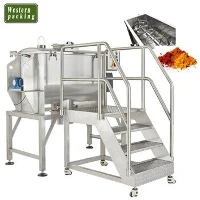
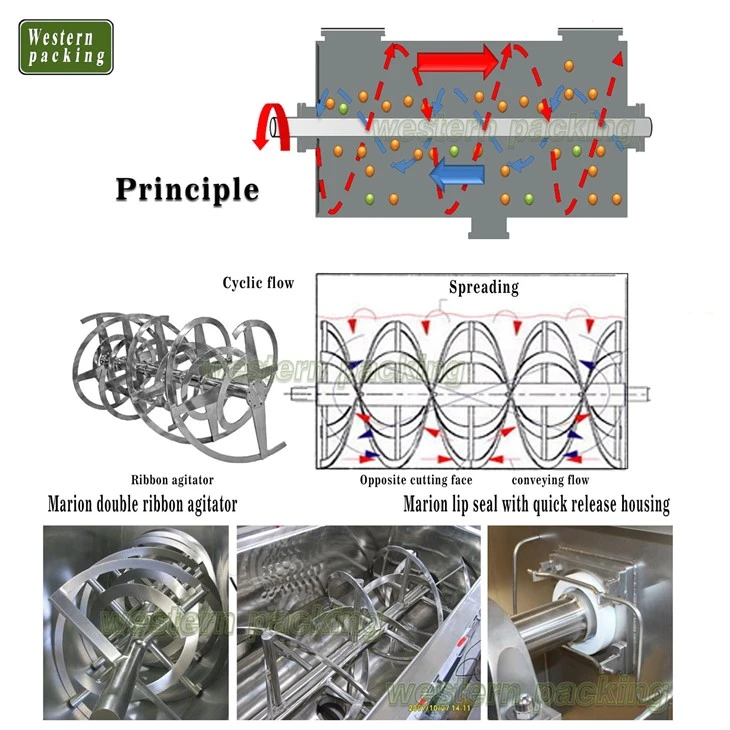
Selecting the appropriate mixer for your specific application is the first step in preventing powder leakage. Consider factors such as the type of powder, the volume of mixing, and the required mixing speed. For example, if you are mixing fine powders, a Double Ribbon Mixer may be a better choice as it provides gentle and thorough mixing with minimal dust generation.
2. Ensure Proper Installation
Proper installation is crucial to prevent powder leakage. Make sure the mixer is installed on a flat and stable surface, and all connections are tight. Follow the manufacturer's installation instructions carefully, and use the recommended tools and materials. If necessary, consult a professional installer to ensure the mixer is installed correctly.
3. Maintain Seals and Gaskets
Regularly inspect and maintain the seals and gaskets in the mixer to ensure they are in good condition. Replace any worn or damaged seals and gaskets immediately. Use high-quality seals and gaskets that are designed for the specific type of powder and operating conditions. Lubricate the seals and gaskets as recommended by the manufacturer to prevent them from drying out and cracking.
4. Control Pressure and Vibration
Excessive pressure and vibration can cause powder to leak from the mixer. To control pressure, ensure that the mixer is not overfilled and that the mixing speed is appropriate for the type of powder. Use a pressure relief valve if necessary to prevent overpressure. To reduce vibration, install the mixer on a vibration-damping platform or use vibration isolators.
5. Implement Regular Maintenance
Regular maintenance is essential to prevent powder leakage and ensure the long-term performance of the mixer. Follow the manufacturer's maintenance schedule and perform tasks such as cleaning, lubrication, and inspection regularly. Check for any signs of wear or damage, and replace any parts as needed. Keep a record of all maintenance activities to track the performance of the mixer over time.
6. Improve Ventilation
Proper ventilation is crucial to prevent the accumulation of powder dust in the mixer. Install a ventilation system that can remove dust from the mixing area and prevent it from settling on the mixer and other equipment. Use dust collectors or filters to capture the dust and prevent it from being released into the environment. Make sure the ventilation system is properly sized and maintained to ensure its effectiveness.
7. Train Operators
Proper training of operators is essential to prevent powder leakage and ensure the safe and efficient operation of the mixer. Train operators on the correct use and maintenance of the mixer, including how to load and unload the powder, how to adjust the mixing speed and time, and how to perform basic maintenance tasks. Provide operators with clear instructions and safety guidelines, and encourage them to report any issues or concerns immediately.
Using the Right Accessories
In addition to the above preventive measures, using the right accessories can also help prevent powder leakage. For example:
- Dust Covers: Install dust covers on the mixer to prevent powder from escaping during the mixing process. Dust covers can be made of plastic, rubber, or other materials and can be easily installed and removed for cleaning.
- Feed Conveyors: Use feed conveyors to transfer powder to the mixer safely and efficiently. Feed conveyors can help prevent spillage and reduce the amount of dust generated during the loading process.
- Powder Collectors: Install powder collectors below the mixer to capture any powder that may leak during the mixing process. Powder collectors can be connected to a dust collection system to remove the powder from the working area.
Conclusion
Preventing powder leakage in a powder mixer mixing machine requires a combination of proper equipment selection, installation, maintenance, and operator training. By following the strategies outlined in this blog post, you can minimize the risk of powder leakage, improve the efficiency and safety of your mixing process, and ensure the quality of your products.
If you are in the market for a high-quality powder mixer mixing machine or need more information on how to prevent powder leakage, please feel free to contact us. Our team of experts is ready to assist you with your selection and provide you with the support and guidance you need to make the right decision.
References
- Smith, J. (2020). Powder Mixing Technology. Wiley.
- Jones, A. (2019). Preventing Dust Leakage in Industrial Mixers. Journal of Powder Technology, 345, 123-130.
- Brown, C. (2018). Best Practices for Maintaining Powder Mixers. Powder Handling & Processing, 30(2), 45-50.