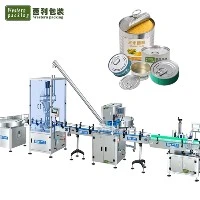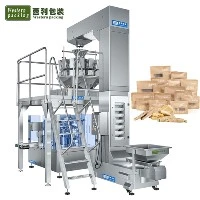

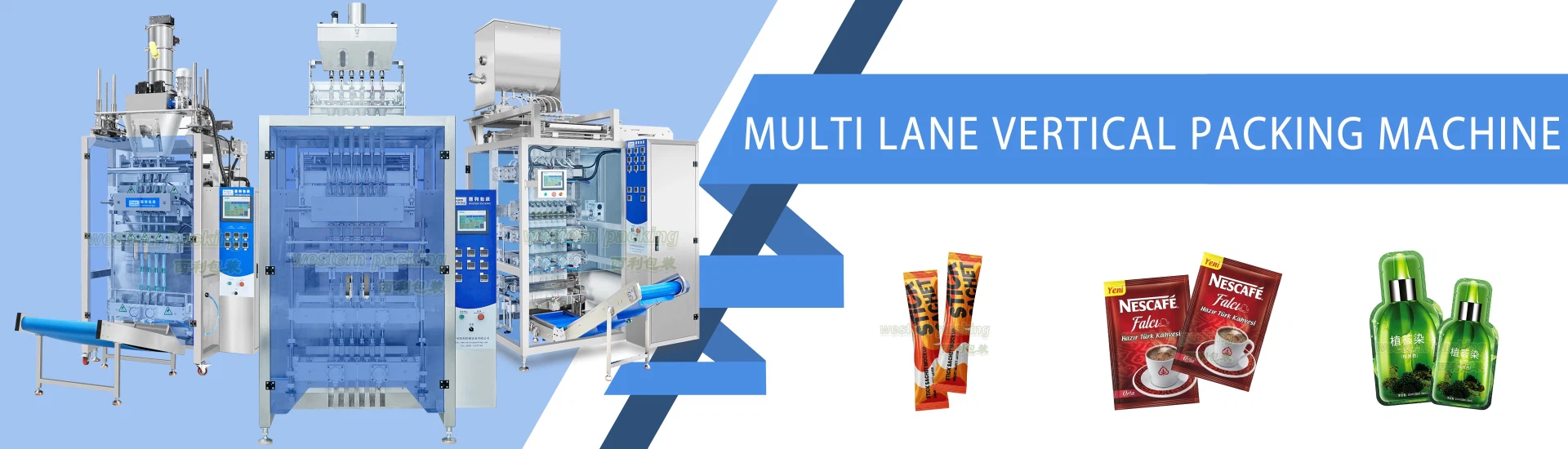
Automatic powder filling machines are widely used across industries such as food, pharmaceuticals, chemicals, and health supplements. They are primarily employed for the quantitative filling of products like flour, milk powder, protein powder, coffee powder, seasoning powders, and various other powdered materials.
For manufacturers, filling accuracy is critical-it not only ensures consistent product weight across individual packages but also directly impacts raw material waste and overall production costs. So, just how precise are automatic powder filling machines, and what factors influence their actual filling performance?
1. What is the filling accuracy of the automatic powder filling machine?
Currently, most automatic powder filling machines utilize an auger-based metering system, where the amount of powder dispensed is controlled by regulating the number of rotations and the rotational speed of the auger. Given an optimal equipment configuration and stable material conditions, some machines can achieve a filling error of approximately ±1%–2%.
However, actual precision is not fixed. Factors such as the density, particle size, and flowability of the specific powder, as well as the target fill weight, will all influence the final outcome. Therefore, when purchasing such equipment, one should not rely solely on the precision specifications provided by the manufacturer; instead, testing with the actual material is essential.
2. What factors affect powder filling accuracy?
Powder Characteristics: Different powders vary in terms of flowability and bulk density. For instance, powders that tend to clump or have poor flowability may result in uneven dispensing.
Screw Dosing Mechanism: The diameter, pitch, and rotational speed of the screw all influence the amount of powder dispensed per cycle; therefore, the appropriate screw must be selected based on the specific material and the target weight.
Feed Stability: An inconsistent supply of powder from the hopper can lead to fluctuations in the dispensed weight. For powders prone to "bridging" (forming arches or clogs), an agitation device can be added.
Equipment Operating Parameters: Improper settings for filling speed, screw rotation speed, or dosing parameters can negatively affect the actual filling results.
Environmental Factors: Temperature and humidity can alter the state of certain powders-particularly those that are prone to absorbing moisture or clumping.


3. How does an automatic powder filling machine ensure accurate dosing?
Common automatic powder filling machines utilize a servo-motor-driven auger metering system. The equipment controls the rotation of the auger based on a preset fill weight; by adjusting the number of rotations and the operating speed, it dispenses a precise quantity of powder into bags, bottles, or other containers.
For production requirements demanding higher precision, a weight-feedback system can also be integrated. This system monitors the actual fill weight and automatically adjusts the metering parameters, thereby minimizing weight deviations during continuous production.
4. How can powder filling accuracy be improved?
To achieve more consistent filling results, adjustments can be made in terms of both equipment configuration and daily operations:
Select an appropriate auger dosing system based on the specific characteristics of the powder.
Ensure a stable supply of material in the hopper to prevent interruptions or uneven flow.
Adjust the auger rotation speed according to the flowability of the powder.
Incorporate a stirring/agitation mechanism for powders prone to clumping or bridging.
Regularly clean the auger and hopper to prevent residual material from affecting dosing accuracy.
Conduct periodic spot checks of package weights during production and adjust dosing parameters as needed.
The filling accuracy of an automatic powder filling machine is closely related to its metering mechanism, the characteristics of the powder, and the equipment's operating parameters. Selecting an appropriate auger metering system and fine-tuning it based on the specific material being handled are essential for ensuring consistent filling weight.