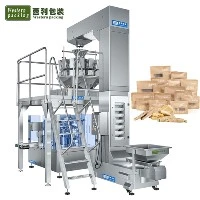

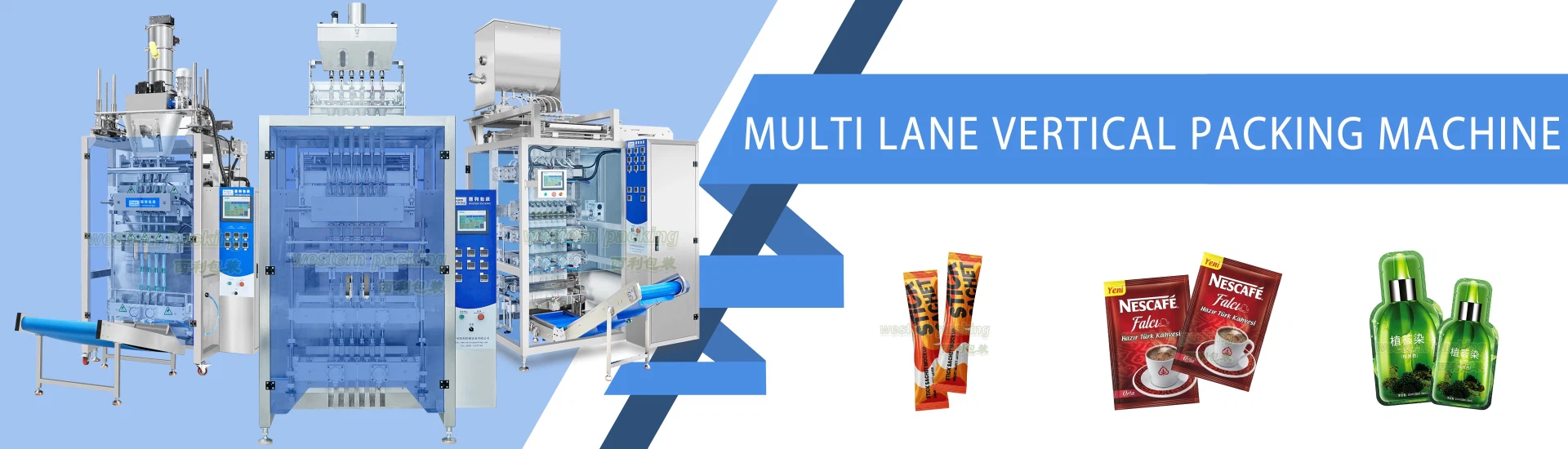
Stand up packing machines are widely used across industries such as food, beverages, condiments, personal care and household products, and pet food. These machines automate the entire process-from pouch picking and opening to precise filling, sealing, and the discharge of finished packages-and are compatible with various types of premade pouches, including stand-up pouches, zippered pouches, and flat-bottom pouches.
However, because product characteristics, packaging specifications, and production requirements vary, selecting the right equipment involves more than just looking at packaging speed and price. Several other factors must also be taken into account.
1. Choose a Machine Based on Your Product Type
First, it is essential to clarify what product the equipment will be used to package, as different materials impose specific requirements on the filling system:
Granule products (e.g., nuts, candies, pet food, seeds): These are typically handled using a multihead weigher or combination scale for precise dosing before the product is deposited into pre-made bags.
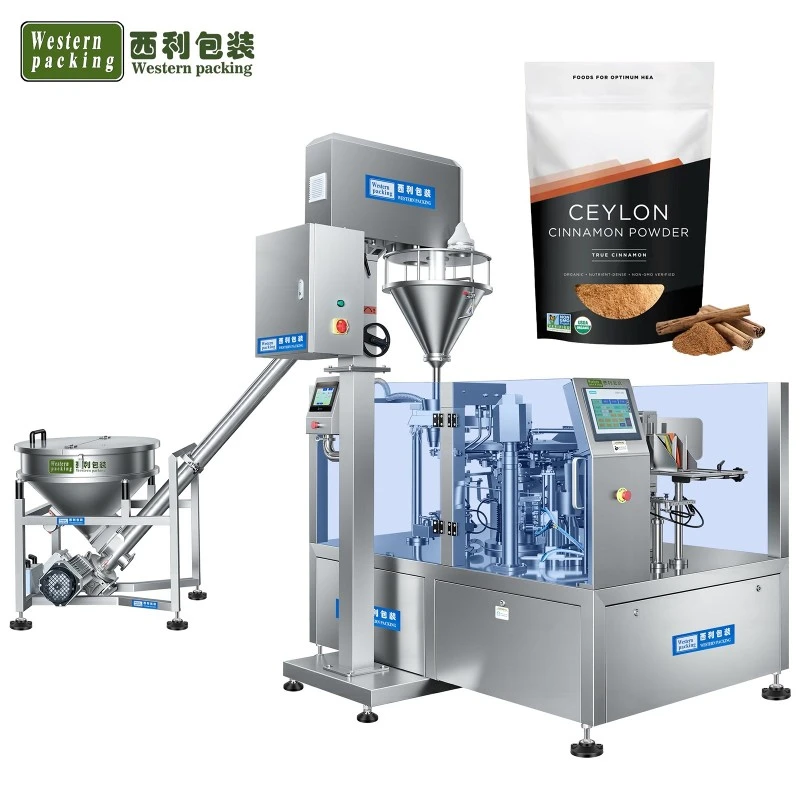
Powder products (e.g., milk powder, coffee powder, protein powder): These generally require an auger-based dosing system to minimize dust dispersion and ensure consistent, uniform dispensing.
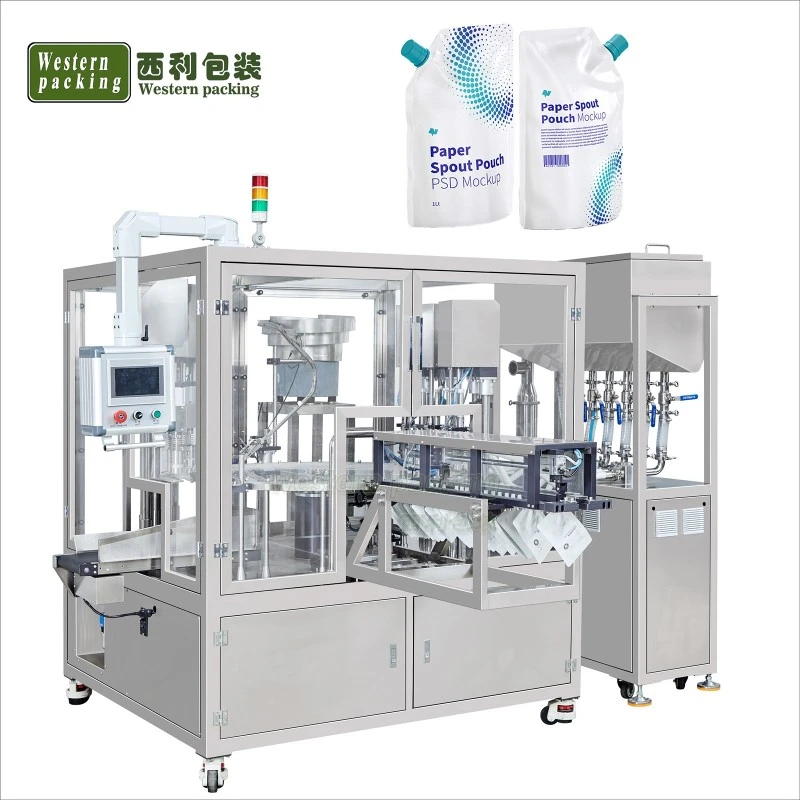
Liquid products (e.g., sauces, fruit juices, shampoos): These require a liquid filling system-such as one utilizing a piston pump-tailored to the specific characteristics of the product, with a focus on filling accuracy and anti-drip design.
When selecting equipment, the dosing method should be determined based on factors such as the material's flowability, viscosity, particle size, and tendency to clump, rather than simply opting for a generic, one-size-fits-all filling mechanism.
2. Check the Pouch Types and Sizes
The dimensions and structure of a stand-up pouch directly determine the range of applications for the packaging equipment. Common types of pouches include stand-up pouches, zipper pouches, flat-bottom pouches, and shaped pouches.
It is essential to verify the pouch's width, height, opening configuration, and seal placement in advance. For zipper pouches in particular, the equipment must be capable of opening the zipper and handling the pouch opening accordingly.
If the production process requires switching between different pouch specifications, the equipment's adjustment mechanisms should also be considered. Features such as easily adjustable pouch clamps, opening mechanisms, and sealing units help minimize downtime during changeovers.
3. Pay Attention to Filling Accuracy and Production Speed
Filling accuracy and production speed are two critical factors that influence production efficiency.
For granular products, multihead weighers can perform combinatorial calculations using multiple independent weigh hoppers, selecting the combination that most closely matches the target weight for discharge. For powders and liquids, the fill weight per bag is controlled based on the design of the dosing system, the characteristics of the product, and the specified weight range.
Furthermore, do not rely solely on the maximum packaging speed stated in the equipment specifications. Actual throughput is also affected by factors such as product discharge speed, bag dimensions, fill volume, and sealing time.
Before making a purchase, you can provide the manufacturer with samples of your actual product and packaging specifications; they can then evaluate the equipment's expected operating speed and dosing accuracy based on your specific production requirements.
4. Consider Future Production Requirements
When purchasing equipment, it is also important to consider future product and packaging requirements.
For instance, while you may currently produce only one type of granular product, you might later need to handle powders, different product weights, or various bag styles. In such cases, you should verify with the manufacturer in advance whether the equipment allows for the replacement of metering systems, the adjustment of packaging parameters, or the addition of auxiliary devices.
If you plan to scale up production, you should also consider whether the equipment can be integrated with peripheral machinery-such as hoists, storage systems, and conveyors-to form a complete, automated packaging production line.
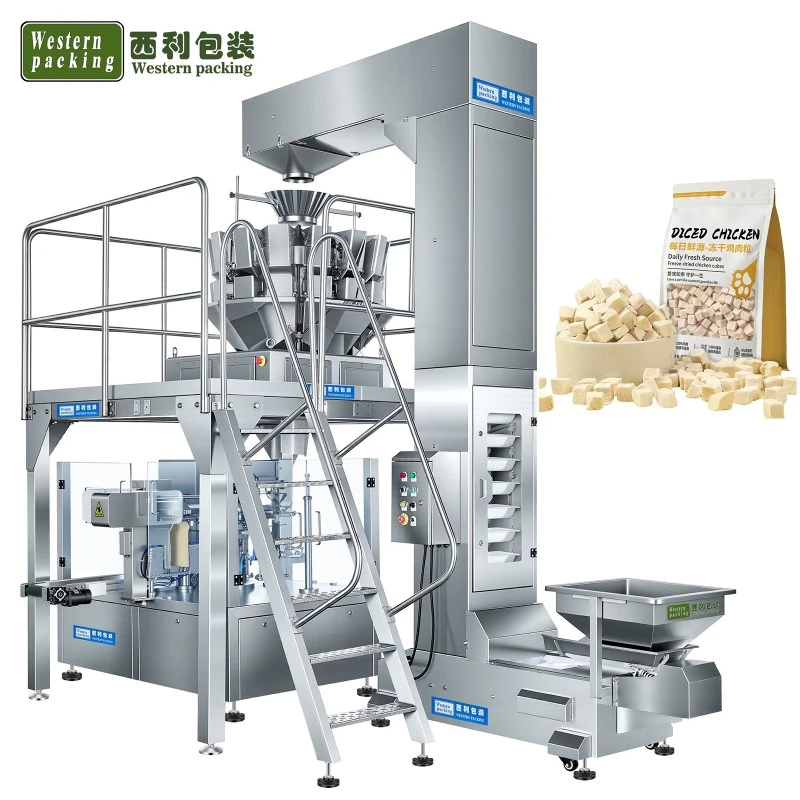
When selecting a stand-up pouch filling machine, the key is to ensure that the equipment aligns with your specific products, packaging pouches, and production requirements. For wholesalers, food processing plants, and those purchasing packaging equipment, it is essential to look beyond the price and carefully evaluate the metering system, sealing quality, operational stability, and the technical support provided by the manufacturer.