

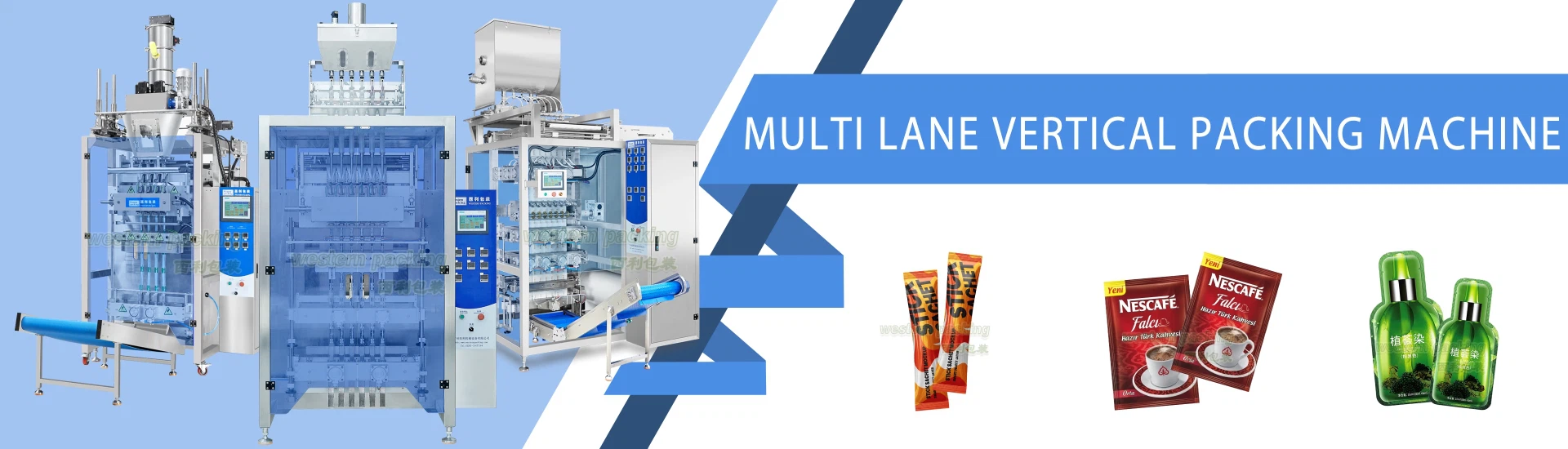
Powder filling is a core process in the food, pharmaceutical, chemical, and condiment industries. Screw filling and vacuum filling are currently the two most widely used powder metering and filling technologies, but they differ significantly in working principle, powder adaptability, accuracy, dust prevention, cost, and applicable scenarios. Choosing the right filling method directly determines filling stability, yield rate, and production costs.
Core Working Principles
1. Screw Filling: A servo motor drives a precision screw to rotate, pushing powder out of a closed barrel. Quantitative filling is achieved by controlling the screw speed, angle, and pitch. It is suitable for powders with poor flowability.
2. Vacuum Filling: When a vacuum removes air from the chamber and container, the powder is gently drawn into the metering chamber under the pressure difference, while air between the powder particles is removed. Once the set weight or volume is reached, the vacuum is cut off, and the powder is released into the bottle or bag, completing the filling.
Advantages and Disadvantages Comparison
|
Screw Filling |
|
| Advantages | Disadvantages |
|
|
| Vacuum Filling | |
| Advantages | Disadvantages |
|
|


Industry and Scenario Matching
Screw Filling
- Food: Seasonings, regular milk powder, protein powder, cereal powder, instant powder, fruit juice powder
- Chemicals: Fertilizers, fillers, pigments, masterbatches, general industrial powders
- Traditional Chinese Medicine and Feed: Traditional Chinese medicine powder, feed premix, veterinary drug powder
Vacuum Filling
- Pharmaceuticals: APIs, sterile powders, capsules, small doses
- High-end Foods: Infant formula, health supplements, easily oxidized oil powders
- Features: Priority given to cleanliness, precision, shelf life, and safety
For most common powders, especially those with poor flowability or requiring high-speed production, screw filling is a versatile and cost-effective option. Vacuum filling offers superior precision, dust control, degassing, and product protection, making it ideal for fine, high-value powders. Therefore, the choice between screw filling and vacuum filling depends on the characteristics of the powder material, precision requirements, hygiene requirements, speed, and budget.


