

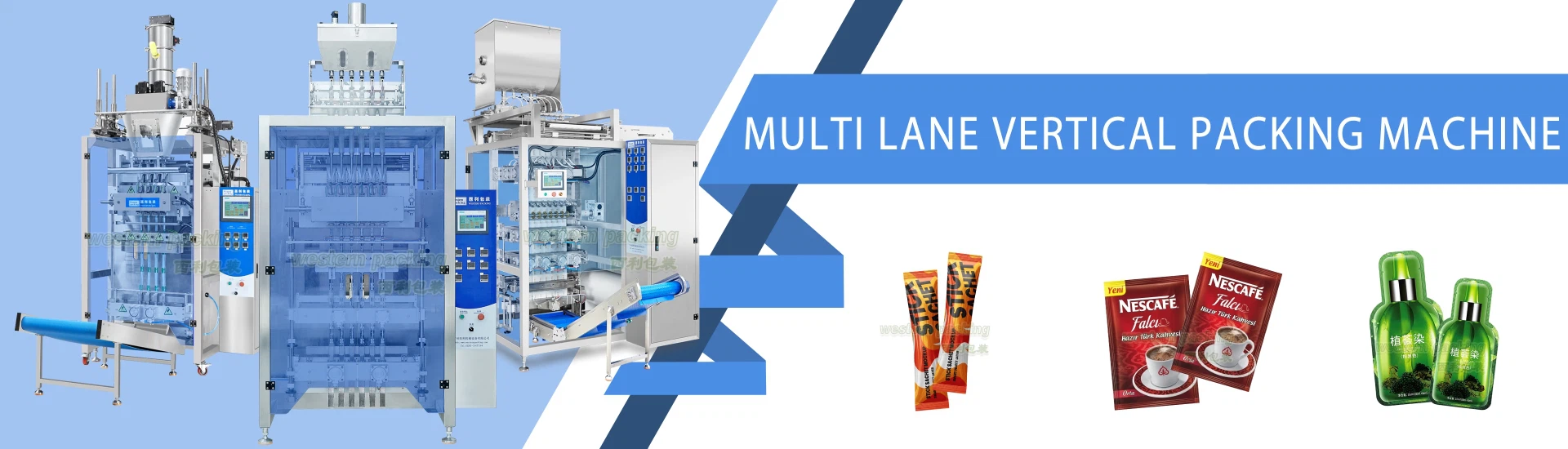
Powder products need accurate and effective filling solutions in sectors like food processing, medicines, chemicals, and nutraceuticals. Selecting the best powder filling machine is a strategic investment that may greatly increase operational efficiency, cut waste, and save labor expenses. It's not only about automation. In the end, manufacturers can optimize their return on investment (ROI) with the proper equipment.
The Hidden Costs of Inefficient Powder Filling
Many manufacturers underestimate the impact that outdated or unsuitable filling equipment can have on their operations. Inefficient powder filling systems often lead to several costly issues: Product waste due to inaccurate filling, Frequent manual adjustments, Slow production speeds, High labor dependency, Inconsistent product quality
Even small inaccuracies in powder dosing can accumulate into substantial financial losses over time. For high-value powders such as pharmaceuticals, protein supplements, or specialty chemicals, these losses can be significant.
Precision Filling: Reducing Product Waste
One of the biggest advantages of modern powder filling machines is high-precision dosing technology.
Advanced machines commonly use technologies such as: Auger filling systems, Servo motor control
With the use of these technologies, machines are able to fill each container precisely and consistently. Manufacturers can reduce waste from raw materials, maintain product conformity, and improve package consistency by eliminating overfilling and underfilling.
Businesses that use contemporary powder filling equipment frequently experience material savings of several percentage points, which can result in significant cost savings over high production volumes.
Automation Cuts Labor Costs
Manual powder filling operations often require multiple workers to handle tasks such as: Weighing product, Filling containers, Checking fill levels, Sealing and packaging
A well-designed powder filling machine automates most of these processes. As a result, manufacturers can: Reduce the number of operators required on the production line. Lower labor costs, Minimize human error, Improve workplace safety
For high-volume production environments, automation can significantly increase output while keeping labor requirements stable or even reduced.

Flexibility for Multiple Powder Types
Different powders have different flow characteristics. Some powders are free-flowing, while others are sticky, dusty, or difficult to handle.
The right powder filling machine can be configured to handle a wide variety of materials, including protein powders, flour and baking mixes, milk powder, pharmaceutical powders, and chemical powders.
Equipment with adjustable filling parameters and modular designs allows manufacturers to quickly switch between products, reducing downtime and improving production flexibility.
Conclusion
Purchasing the appropriate powder filling machine is an essential first step in increasing production effectiveness and cutting expenses. Modern powder filling equipment can provide producers with a significant return on investment by increasing production speed, automating labor-intensive procedures, decreasing waste, and enhancing filling accuracy. Upgrading to the proper powder filling solution is not just an operational enhancement but also a wise commercial move for businesses hoping to maintain their competitiveness in rapidly expanding markets.


