
Dust is a common problem in the packaging process of powder packaging machines, especially in the food, pharmaceutical and chemical industries. In addition to wasting materials, dust contaminates the manufacturing environment, impairs packaging accuracy, and raises cleaning and maintenance expenses. Therefore, increasing production efficiency and automation levels need adequate dust control.
The main causes of dust generation
Dust generation is primarily related to powder characteristics and packaging methods. For powders with fine particles and low density, they are easily carried away by airflow during feeding or unloading, forming dust. Furthermore, manual feeding or open-type feeding exposes the powder directly to the air, exacerbating dust dispersion.
Additionally, problems such as large material drop heights, insufficient sealing, or improper gas emission can also generate significant dust during packaging, especially during high-speed operation.

The impact of dust
Dust not only affects the production environment but also directly impacts product quality. During packaging, powder spillage can lead to inconsistencies in actual weight, reducing measurement accuracy. Simultaneously, dust adhering to equipment surfaces increases material loss and cleaning difficulty.
For the food and pharmaceutical industries, dust can also pose a risk of cross-contamination and affect production compliance. Furthermore, prolonged exposure to high-dust environments is detrimental to the health of operators.
Common solutions
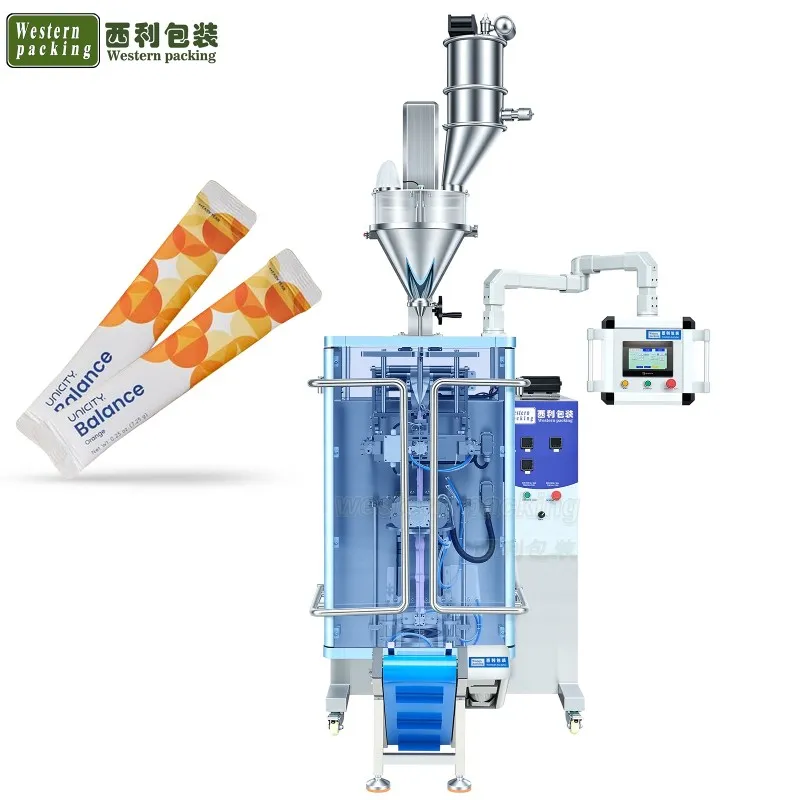
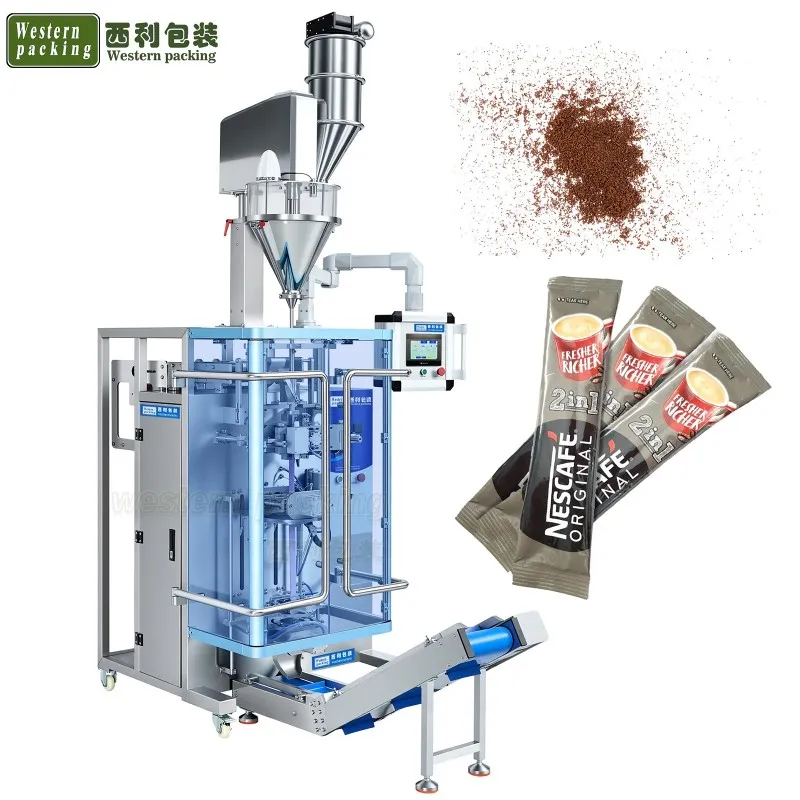
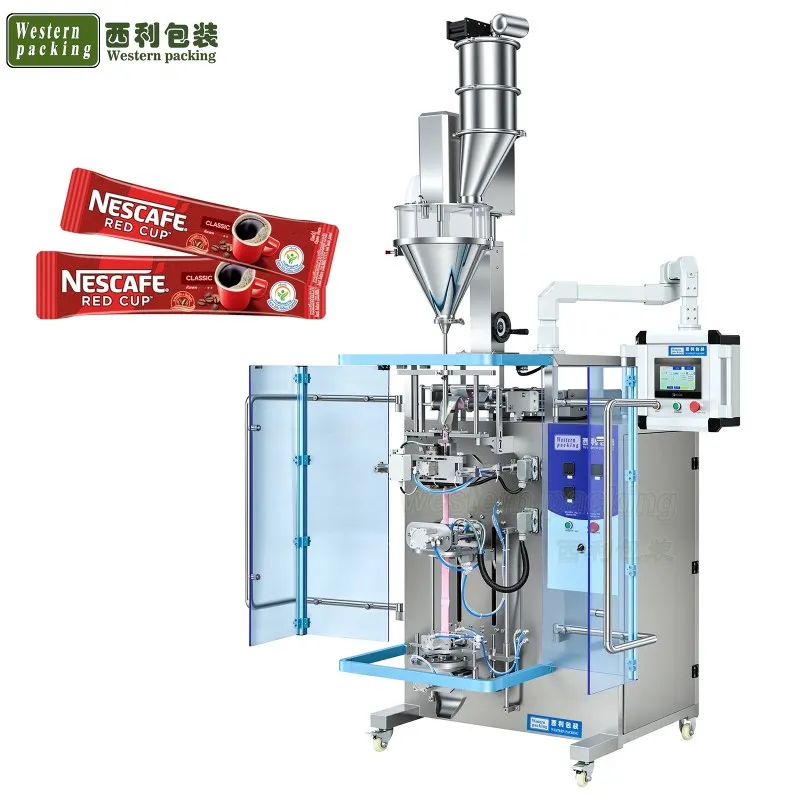
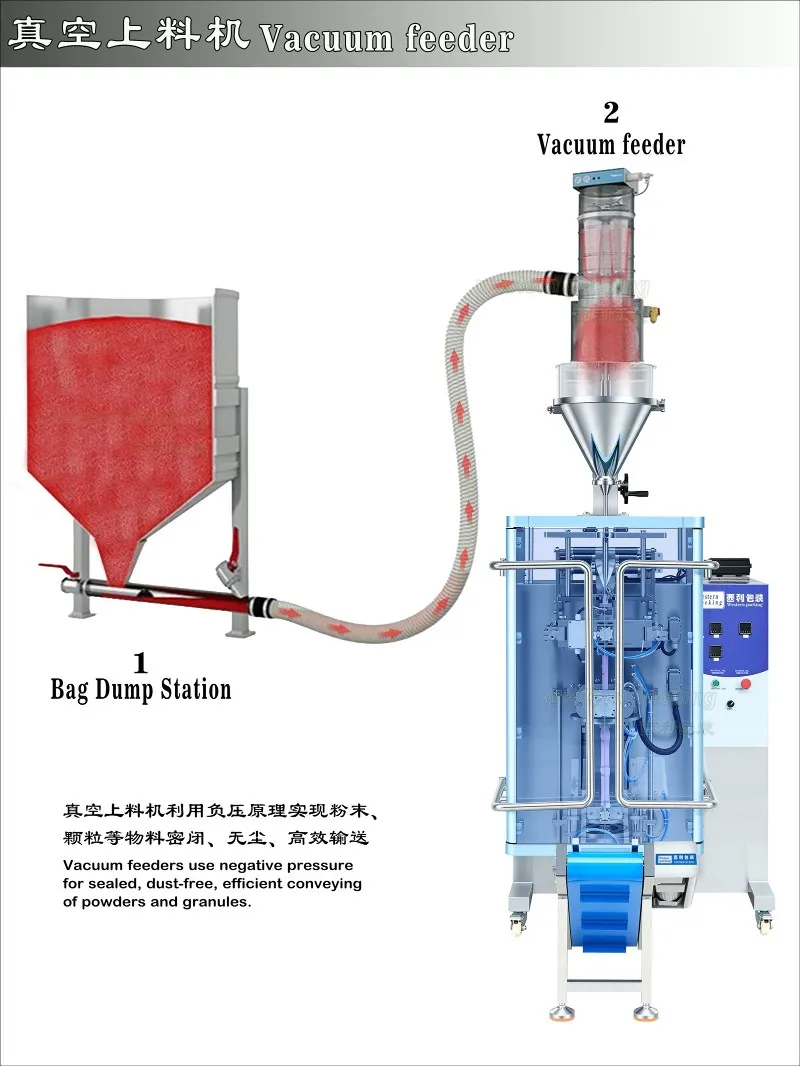
First, replacing manual feeding with vacuum feeding machines reduces dust at the source. Through negative pressure closed conveying, the powder completes the feeding process within the pipeline, preventing contact with outside air and thus achieving a cleaner production environment.
Second, in terms of metering, using screw metering effectively controls the feeding speed, reduces powder disturbance, lowers dust levels, and improves packaging accuracy.
Furthermore, dust collection or filtration devices, such as dust hoods or hopper filtration systems, can be installed at key locations to collect airborne dust particles. Optimizing the equipment structure, such as shortening the feeding distance and improving sealing design, can further reduce dust diffusion.
Finally, properly controlling packaging speed and airflow within the equipment to prevent dust spillage due to airflow disturbance is also an essential aspect that cannot be overlooked.
In real-world applications, a more effective solution is provided by combining a powder packaging machine with a vacuum feeder. By enabling a completely enclosed operation from feeding to packing, this solution greatly lowers dust output while increasing production effectiveness and packaging stability.
This solution is frequently used in the food, pharmaceutical, and chemical sectors and is especially appropriate for fine powders, lightweight powders, and other materials that quickly produce dust.
In the powder packaging process, dust control is an important concern that cannot be disregarded. Dust can be successfully decreased by optimizing the feeding technique, metering technique, and equipment structural design, which will enhance the production environment and product quality.
Automated packaging solutions with vacuum feeding systems are a more dependable option for businesses with stricter cleaning standards.