

If you’re running a powder packaging operation—whether you’re packing coffee, protein powder, or a specialty chemical—you know how much small inefficiencies in your packing machine add up. A line that’s 10% slower than it should be? Over a week, that’s hundreds of wasted cycles, spoiled batches, and lost revenue. As the team behind a powder packing machine supplier, I’ve talked to dozens of production managers who’ve pulled their hair out over jams, inaccurate fill weights, or downtime that could’ve been avoided with smarter tweaks to their existing setup. Today, I’m breaking down practical, proven ways to optimize your powder packing process—no matter what kind of machine you’re running.
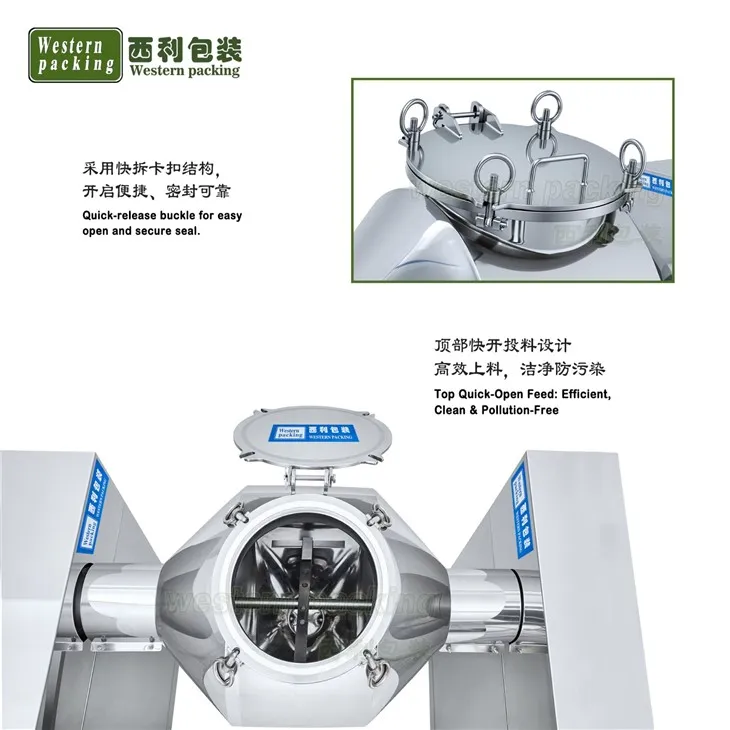

First, let’s start with the part that most people overlook before they even turn on their machine: your powder itself. A packing machine is only as good as the material it’s handling, and powder consistency is make-or-break. If your powder has inconsistent particle sizes, clumps, or static charge buildup, you’re going to deal with feeding errors, fill weight variations, and clogs in the auger or filling nozzles every single day. For example, fine, static-prone powders like instant coffee or cocoa tend to cling to machine parts, leading to incomplete fills and cross-contamination between batches. That’s why investing in a good mixing step upfront is non-negotiable. A lot of teams skip this or use a cheap blender that doesn’t get the mix uniform—then blame the packing machine for the mess. If you’re in the market, check out a high-quality unit like the Powder Blender For Sale Powder Mixer 100Kg, designed to evenly blend fine powders without introducing excess air, which cuts down on fluffiness that throws off fill weights. (Wait, that’s a key point: over-aerated powder takes up more volume, so an auger that’s calibrated for dense powder will underfill if your mix is fluffy. Fix that in the blender before it reaches the packing line.)
Next, machine calibration and regular maintenance—this sounds basic, but you’d be shocked how many operators wait until a machine is broken to adjust it, or skip small tweaks that add up. Let’s get specific: auger-based filling (the most common for powder) needs calibration to match your powder’s density and flow rate. If your auger is worn down, it’s not scooping the exact same amount every cycle, leading to fill weight variance. We see this all the time with machines that are 3+ years old—operators just keep hitting “reset” instead of replacing worn parts. Another big one: nozzle and feed chute cleaning. Residue buildup inside these parts can change the diameter or shape over time, which alters how powder flows through. We recommend a 10-minute post-shift clean, using a soft brush and air nozzle, instead of waiting for a full deep clean once a week (that’s when clumps build up and cause unplanned downtime). Also, don’t sleep on lubrication—too little friction causes wear, too much can contaminate food-grade powders. Check your machine’s manual for food-safe lubricants, and schedule monthly checks on moving parts like the chain drives or cam mechanisms.
Wait, what if you’re not running an auger filler? A lot of our customers use doypack or stick pack machines for their products, and those have their own specific optimization needs. If you’re packaging powders into stand-up pouches, like protein powder or baby formula, the Powder Doypack Pouch Packaging Machine is built for consistent pouch forming, but even the best machine will have issues if your film roll is loaded wrong or the pouch depth is calibrated incorrectly. For stick packs (super common for single-serve coffee or energy powders), the Powder Coffee Single Lane Stick Pack Machine requires careful tension adjustment on the film—too much tension and the film stretches, leading to misaligned seals; too little and it wrinkles, causing leaks that ruin batches. Another quick win for both these formats: adjusting the gas flush (if you use it) to the right pressure. Over-flushing uses unnecessary nitrogen (wasting money) and can blow powder out of the pouch, while under-flushing leads to product spoilage. We work with customers to tune this on their first run with their specific powder, and it’s a game-changer for reducing seal failures.
Now, let’s talk about line integration and workflow—this is where a lot of people waste time without even realizing it. If your packing line is sitting idle while you wait for a batch from the blender, or if operators have to switch parts manually between product runs, that’s lost production time. Let’s go back to the mixing step: if you’re using a separate powder blender and a separate packing machine, make sure there’s a buffer (like a small surge hopper) between them. A surge hopper holds a small amount of pre-blended powder, so if the blender has to pause to add more ingredients, the packing line can keep running instead of stopping. That’s a 5-10% productivity boost for almost no cost, just a tiny piece of equipment. Also, batch changeover time is a huge pain point. If you’re switching from packing chocolate protein to vanilla protein, how long does it take your team to clean parts, change settings, and get back to full speed? If it’s more than 15 minutes, you can optimize that. Pre-set recipe settings on your packing machine—most modern powder filling and packing machine units let you save settings for fill weight, auger speed, seal temperature, etc. so you don’t have to re-calibrate every time. Some machines even have digital workflow tools that let operators lock in settings remotely, so you don’t have to guess if you got the fill weight right after a switch. Another workflow hack: keep spare parts on hand that you use most often, like replacement augers or nozzles, so you don’t have to wait for shipping if a part breaks mid-run. We stock these as standard parts for all our machines, so customers can get them in 24 hours, but even keeping basic spares on your production floor cuts downtime drastically.
Powder handling technology is another area where small tweaks make a big difference. Static electricity is a nightmare for fine powders—if your powder is clinging to everything, you’re going to have inconsistent fills, powder waste, and even dust buildup that’s a fire hazard (super important for flammable powder like flour or some chemicals). There are a few simple fixes here: anti-static brushes on feed chutes, ionizer bars near the filling nozzles, or even humidifying the air in the production space a little (just enough to cut static without making the powder clump). For very fine, hard-to-flow powders, like cocoa or matcha, we also recommend adding a gentle vibrator to the feed hopper—set it on low speed, just enough to keep powder moving without spilling, which reduces bridging (when powder clumps and forms an arch over the feed opening, so no powder gets to the filler). Bridging is one of the top causes of unplanned stops, so fixing that with a low-cost vibrator is way cheaper than replacing your entire packing machine.
Let’s talk data, because this is where optimization stops being guesswork. Most modern packing machines track data: fill weight variance, run speed, downtime, seal failure rates. A lot of teams ignore this data, or look at it once a month instead of in real time. If your fill weight variance spiked after a week of runs, the data will show you it happened right after you stopped doing weekly deep cleans on the auger—so you can fix that, instead of guessing. If run speed drops every time you switch to a colder day, that tells you your powder is getting more viscous in low temperatures, so you can adjust your auger speed to compensate. We’ve started including basic data dashboards with all our Powder Filling and Packing Machine units, so operators can check fill accuracy, run time, and waste in real time on a tablet. No need for complex analytics tools—just being able to spot trends as they happen lets you fix small issues before they become big problems.
Wait, I should also mention common mistakes we see new powder packing operators make that kill efficiency. One is over-tightening the seals. If you run too hot or too long on a seal bar, you can burn the film, leading to leaks or material waste. If you run too cold, the seal won’t hold, so you get product spoilage. The sweet spot is different for every film and powder, so test it with your specific materials. Another mistake: not training your operators properly. A machine is only as good as the person running it. We do hands-on training for all our customers, but we recommend weekly 10-minute refreshers for operators, especially if they’re switching between products. Small things, like how to load the film roll correctly, can save hours of downtime a month.
Now, putting it all together: optimizing your powder packing process isn’t about buying a brand new $100k machine every year. It’s about fixing the small, avoidable issues that are already costing you money—consistent powder prep, regular machine maintenance, smart workflow tweaks, using the right equipment for your specific product, and paying attention to data. Whether you’re packing doypacks, stick packs, or bulk containers, these steps will cut downtime, reduce waste, and boost your overall output.
If you’re looking to upgrade your current setup or find a machine that’s built to handle your specific powder needs, we’re here to help. We specialize in powder packing solutions tailored to small, medium, and large production runs, and we can walk you through the best options for your product, whether that’s the Powder Doypack Pouch Packaging Machine, Powder Coffee Single Lane Stick Pack Machine, or a robust Industrial Powder Blender to keep your mix consistent. Our team will work with you to assess your current process, identify bottlenecks, and find affordable, effective ways to optimize without overspending.
References
- Powder Packaging Industry Association. (2022). Best Practices for Powder Handling and Packaging Efficiency. Retrieved from industry official publication archives
- Machining Science and Technology Journal. (2021). Effect of Powder Consistency on Auger Filling Accuracy in Packaging Machinery. Volume 25, Issue 3
- Occupational Safety and Health Administration (OSHA). (2020). Powder Handling Guidelines for Reducing Static Electricity and Dust Hazards in Manufacturing. U.S. Department of Labor
- Packaging Digest. (2023). Optimizing Batch Changeover Time for Powder Packaging Lines. Industry Case Study Series


