

How to choose the right food packing machine?
When it comes to the food industry, selecting the appropriate food packing machine is a crucial decision that can significantly impact a business's efficiency, productivity, and overall success. As a seasoned food packing machine supplier, I understand the importance of this choice and am here to guide you through the process.
1. Consider the type of food product
The first step in choosing the right food packing machine is to consider the type of food you are packaging. Different foods have distinct characteristics, such as texture, size, shape, and sensitivity. For example, dry foods like grains, cereals, and sugar require a different packing approach compared to liquid products like milk, juice, and oil.
-
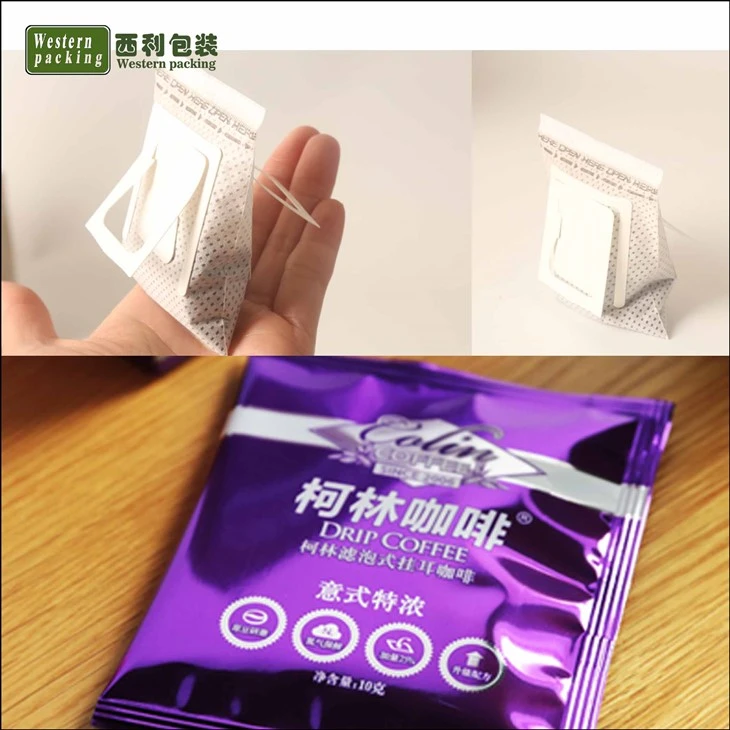
Dry foods: For dry foods, machines designed to handle granules, powders, or chunks are essential. A Coffee Bag Packing Machine is a great example. It is specifically engineered to pack coffee beans or ground coffee into bags with precision, ensuring the freshness and aroma of the coffee are preserved. These machines often use weighing or volumetric filling methods to achieve accurate portion control.
-
Liquid foods: Liquid products demand packing machines capable of handling fluids efficiently. A Small Liquid Packing Machine is ideal for packaging small quantities of liquids. It can handle various viscosities, from thin liquids like water to thicker substances like honey or syrup. These machines are equipped with pumps and nozzles to ensure a smooth and accurate filling process.
-
Oily foods: Oily products, such as cooking oil or olive oil, require specialized Oil Packaging Machine. These machines are designed to prevent oil leakage, which can be a common problem during the packaging process. They often feature anti - drip nozzles and seals to ensure a clean and efficient operation.
2. Evaluate the packaging material
The choice of packaging material also plays a vital role in selecting the right food packing machine. Common packaging materials for food include plastic, paper, glass, and metal. Each material has its own strengths and limitations, and the packing machine must be compatible with the chosen material.
-
Plastic: Plastic is a popular choice for food packaging due to its flexibility, durability, and cost - effectiveness. An Automatic Plastic Packing Machine is designed to work with various types of plastic films, such as polyethylene, polypropylene, and PVC. These machines can perform functions like sealing, cutting, and forming plastic bags to hold the food product.
-
Paper: Paper packaging is environmentally friendly and can be used for products like dry goods or snacks. Machines that handle paper packaging need to be able to fold, seal, and print on paper materials accurately.
-
Glass and metal: For glass jars and metal cans, specialized filling and sealing machines are required. These machines are designed to handle the weight and shape of glass and metal containers, ensuring a secure and hygienic seal.
3. Determine the production capacity
The production capacity of the food packing machine is another critical factor to consider. It is essential to match the machine's output with your business's production requirements. If you have a small - scale operation, a machine with a lower production rate may be sufficient. However, for large - scale production, a high - speed packing machine is necessary.
-
Low - volume production: For small businesses or startups, a semi - automatic packing machine may be the best option. These machines require some manual intervention but are more affordable and easier to operate. They are suitable for producing a few hundred to a few thousand packs per day.
-
High - volume production: Large food manufacturers need fully automatic packing machines that can handle high - speed production. These machines can produce thousands or even tens of thousands of packs per day. They are often integrated into a production line and can perform multiple functions simultaneously, such as filling, sealing, and labeling.
4. Assess the level of automation
The level of automation of the food packing machine can significantly affect your production efficiency and labor costs. There are three main levels of automation: manual, semi - automatic, and fully automatic.
-
Manual machines: Manual packing machines require significant human intervention. They are typically used for small - scale production or for products that require a high level of precision. However, they are relatively inexpensive and easy to operate.
-
Semi - automatic machines: Semi - automatic machines combine some automated functions with manual tasks. For example, a semi - automatic machine may automatically fill the product but require an operator to place the packaging material and seal the package. These machines are more efficient than manual ones but are still relatively affordable.
-
Fully automatic machines: Fully automatic machines are the most advanced and efficient option. They can perform all the packaging functions, from filling to sealing and labeling, without any human intervention. Although they are more expensive, they can significantly increase productivity and reduce labor costs in the long run.
5. Consider the machine's reliability and durability
A reliable and durable food packing machine is essential for minimizing downtime and ensuring consistent production. When choosing a machine, look for a manufacturer with a good reputation for producing high - quality equipment. Read customer reviews and testimonials to get an idea of the machine's performance and reliability.
-
Build quality: Pay attention to the materials used in the construction of the machine. High - quality metals and components are more likely to withstand the rigors of continuous operation.
-
Maintenance requirements: Consider the machine's maintenance needs. A machine that is easy to clean, service, and repair will save you time and money in the long run. Look for machines with accessible parts and clear maintenance instructions.
6. Look for additional features and customization options
Many modern food packing machines come with additional features that can enhance the quality of the packaging and improve production efficiency. Some of these features include:
- Capping and labeling: Machines that can perform capping and labeling functions in addition to filling and sealing can save time and reduce the need for separate equipment.
- Product protection: Features such as nitrogen flushing can help extend the shelf life of the food product by reducing oxygen exposure.
- Customization: Some suppliers offer customization options to meet your specific packaging requirements. For example, if you are packaging a unique - shaped product, a customized packing machine may be necessary.
7. Evaluate the cost
The cost of the food packing machine is an important consideration, but it should not be the only factor. While it may be tempting to choose the cheapest option, a low - quality machine may end up costing you more in the long run due to frequent breakdowns and maintenance issues. Consider the overall value of the machine, including its performance, reliability, and features.
In addition to the initial purchase price, factor in the cost of installation, training, maintenance, and spare parts. Compare prices from different suppliers and look for a machine that offers the best combination of features and affordability.

Conclusion
Choosing the right food packing machine is a complex decision that requires careful consideration of several factors. By evaluating the type of food product, packaging material, production capacity, level of automation, reliability, additional features, and cost, you can make an informed choice that will meet your business's needs and help you achieve your production goals.
As a food packing machine supplier, we are committed to providing high - quality equipment and excellent customer service. We understand that every business is unique, and we are here to help you find the perfect packing machine for your specific requirements. If you are interested in learning more about our products or need assistance in choosing the right food packing machine, please feel free to contact us for a consultation. We look forward to working with you to take your food packaging operations to the next level.
References
- "Food Packaging Technology: Principles and Practice" - Second Edition, by Owen R. Mitchell
- "Handbook of Food Processing Equipment" - Second Edition, by R. Paul Singh and Dennis R. Heldman


