

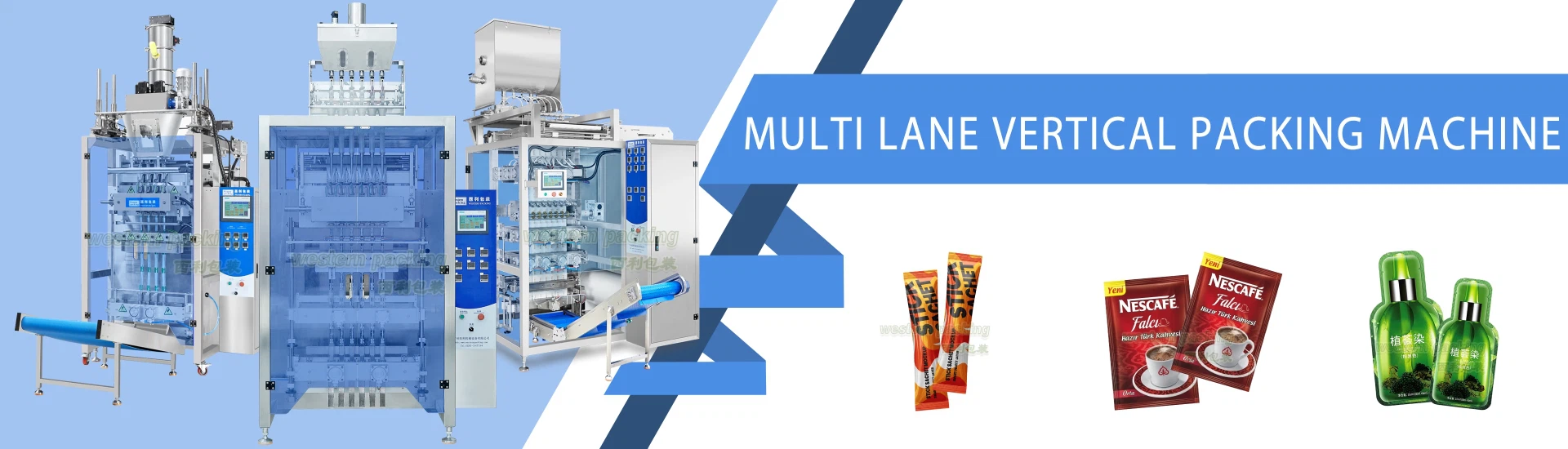
The global coffee packaging machine industry has undergone remarkable transformations, driven by technological advancements and shifting market demands. From its mechanical origins to the current era of smart manufacturing, this sector has become a cornerstone of the broader coffee value chain, enabling efficient production and distribution across the globe.
Technological Evolution: From Mechanization to Intelligence
1. Mechanical Foundations (Late 20th Century)
The earliest coffee packaging machines were rudimentary mechanical devices focused on basic weighing and sealing functions. These systems, prevalent in the late 20th century, relied on manual adjustments and lacked automation. Their primary role was to streamline the transition from raw coffee beans to retail-ready products by integrating processes like dosing, filling, and basic heat sealing. While efficient for their time, these machines required significant human intervention and offered limited flexibility.
2. Automation Revolution (Early 21st Century)
The 21st century marked a paradigm shift with the adoption of Programmable Logic Controllers and servo motor drives. This automation phase enhanced precision, speed, and reliability. PLCs enabled programmable control over packaging sequences, while servo motors improved motion control, reducing material waste and energy consumption.
3. Smart Manufacturing Era (Present and Beyond)
Today, the industry is embracing Industry 4.0 technologies, with IoT integration and adaptive algorithms at the forefront. Modern coffee packaging machines now feature:
- Remote Monitoring: IoT sensors enable real-time tracking of production metrics, such as throughput rates and energy consumption, via cloud platforms.
- Predictive Maintenance: Machine learning algorithms analyze operational data to predict equipment failures, minimizing downtime.
- Material Innovations: Breakthroughs like wet-press molding have reduced energy use by up to 40% in certain processes, addressing sustainability concerns.
Market Landscape: Regional Disparities and Competitive Strategies
1. Global Market Overview
In 2021, the global coffee packaging machine market was valued at $15.34 billion, with Europe accounting for 41% of demand, followed by North America (28%) and China. The Asia-Pacific region is the fastest-growing market, driven by rising coffee consumption in China, Japan, and Southeast Asia.
2. China's Emerging Role
China's packaging machinery sector has gained traction through:
- Localization Advantages: Provinces like Yunnan and Hainan, major coffee-producing hubs, have seen increased adoption of domestic machines tailored to regional needs.
- Cost Competitiveness: Chinese manufacturers offer equipment priced 30–50% lower than imported alternatives without compromising performance, as seen in brands like Honor Pack and Jochamp.
- Modular Design: Flexibility in customizing machines for diverse packaging formats (e.g., pods, sachets, and stand-up pouches) has been a key differentiator.
3. Competitive Dynamics
- International Players: Firms like Cama and Dura-Pack dominate high-end markets with their advanced robotics and hygienic design capabilities, particularly for premium coffee segments.
- Domestic Challengers: Chinese companies leverage agile supply chains and localized services to compete in mid-tier markets. For instance, some offer 24-hour technical support and rapid prototyping, appealing to cost-conscious SMEs.
Challenges and Future Trajectories
1. Material Science Limitations
Balancing barrier performance and cost remains a hurdle. While paper-based materials like molded pulp are eco-friendly, their oxygen and moisture resistance lag behind traditional plastics. Innovations in bio-polymer coatings aim to bridge this gap but require further R&D investment.
2. Energy Efficiency Demands
Regulatory pressures to reduce carbon footprints are pushing manufacturers to adopt energy-saving technologies. For example, some Chinese firms have integrated regenerative braking systems in their machines, cutting power use by 20%.
3. Market Fragmentation
The industry faces fragmentation, with the top 10 players holding less than 35% of the global market. This creates opportunities for consolidation through mergers or strategic partnerships, as seen in Dura-Pack's recent collaboration with a Southeast Asian distributor to expand its footprint.


