

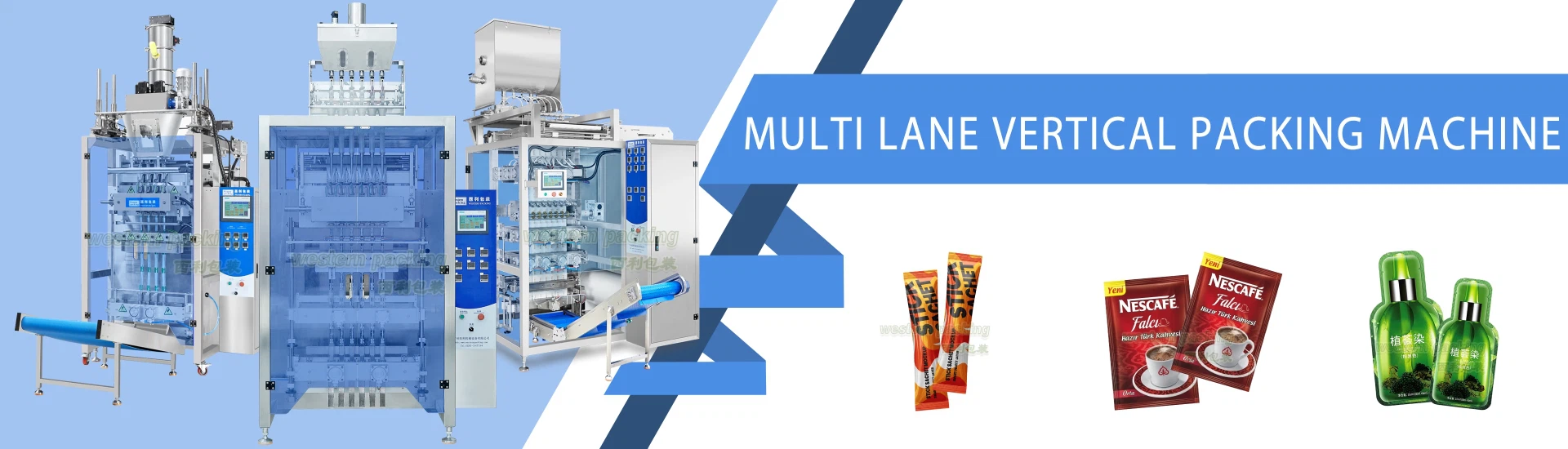
The coffee industry's journey from raw beans to retail-ready packaging is a testament to technological innovation, with coffee packing machines emerging as the unsung heroes of modern food processing. These machines, designed to balance speed, precision, and sustainability, have evolved to meet the demands of a global market that prizes both efficiency and eco-consciousness.
Core Technologies
Modern coffee packing machines integrate multiple systems to transform bulk coffee into consumer-ready products:
Sealing & Forming:
- Vertical Form-Fill-Seal: Ideal for pillow bags, using rollstock film to create, fill, and seal packages in a single motion. Advances in servo-driven jaw systems have reduced cycle times to 0.3–0.5 seconds per bag.
- Horizontal Form-Fill-Seal: Preferred for rigid containers (e.g., cans, jars), with ultrasonic sealing replacing traditional heat sealing for energy savings (up to 40% less power consumption).
Material Handling & Flexibility
- Multi-Layer Film Compatibility: Machines now support barrier films (e.g., PET/Aluminum/PE) to protect against moisture, oxygen, and UV light.
- Quick-Change Tooling: Modular designs allow operators to switch between bag sizes (e.g., 100g to 1kg) in under 15 minutes, reducing downtime.

Industry Trends: Innovation at the Intersection of Tech & Sustainability
Smart Manufacturing & Automation
- Machine Vision: High-resolution cameras detect defects (e.g., misaligned labels, broken seals) with 99.7% accuracy, minimizing waste.
- Predictive Maintenance: AI algorithms analyze sensor data (e.g., vibration, temperature) to forecast component failures, cutting unplanned downtime by 30%.
Sustainability as a Competitive Edge
- Energy Efficiency: Variable Frequency Drives (VFDs) reduce motor energy use by 25–30% compared to fixed-speed drives.
- Eco-Friendly Materials: Machines now accommodate compostable films (e.g., PLA, PBAT) by adjusting heat sealing parameters (e.g., lower temperatures, shorter dwell times).
- Water & Waste Reduction: Closed-loop cooling systems cut water consumption by 80% in high-speed machines.
Market Applications: Tailoring Solutions to Demand
- Small-Batch Roasters: Demand flexible, low-cost machines to package 250g–1kg bags with custom branding.
- Supermarket Brands: Require ultra-high-speed lines (e.g., 1,200 bags/hour) with integrated metal detectors and checkweighers to meet strict quality standards.
- Liquid Coffee Packaging: Aseptic filling machines (e.g., Tetra Pak lines) enable shelf-stable cold brew in 250ml–1L cartons, with 12-month ambient storage capability.
The Future: Beyond Packaging
The next frontier for coffee packing machines lies in smart, sustainable, and consumer-centric innovation:
- Blockchain Integration: Track-and-trace systems to verify fair-trade or organic certifications.
- AI-Driven Customization: Machines that adjust packaging based on real-time demand forecasts (e.g., seasonal blends, limited-edition designs).
- Zero-Waste Solutions: Fully recyclable or compostable packaging paired with machines designed for minimal material waste.
From precision dosing to sustainable materials, coffee packing machines are reshaping the industry's future. As consumers demand both convenience and environmental responsibility, manufacturers must invest in smart, flexible, and eco-friendly technologies to stay competitive. The journey from beans to bags is no longer just about sealing a product-it's about sealing a commitment to quality, efficiency, and a greener planet.


