

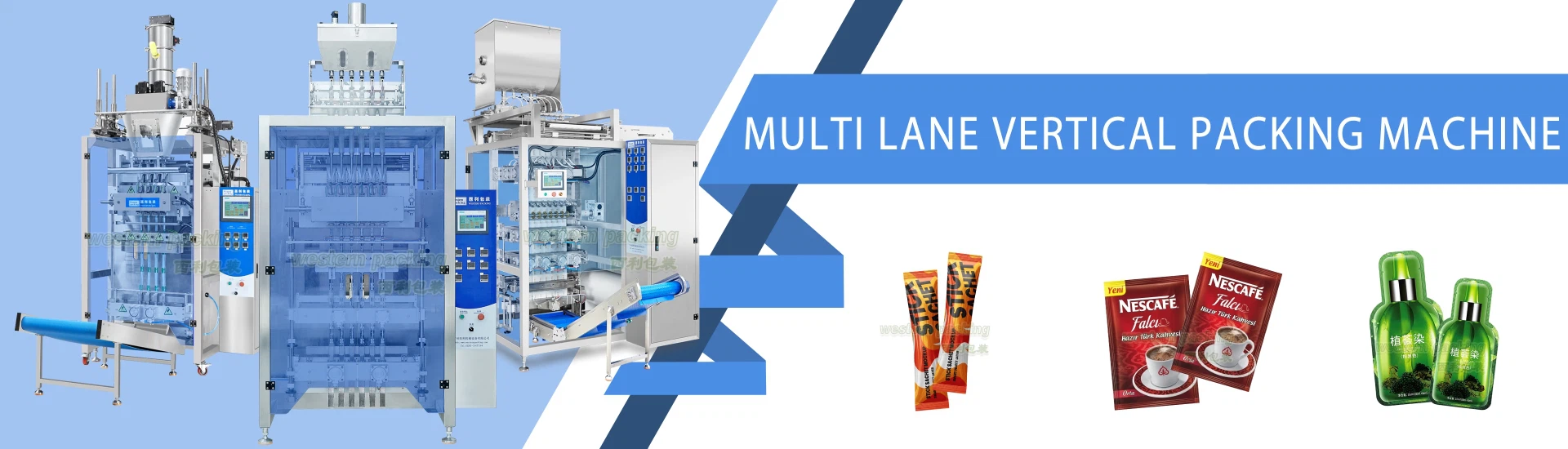
Liquid sachet packaging machines are widely used in the food, daily chemical, and pharmaceutical industries. They are highly automated and efficient, but after long-term operation, problems such as wear, poor sealing, and measurement errors are prone to occur. Many malfunctions are not due to equipment quality issues but rather to inadequate daily maintenance. To extend equipment lifespan and maintain stable production, a systematic maintenance system must be established.
Daily cleaning and hygiene management
1. Post-Production Basic Cleaning: After each production run, some liquid residue remains inside the equipment. If not cleaned promptly, this can easily lead to pipe blockage, valve crystallization, and even corrosion, especially with liquids containing sugar, oil, or viscous substances.
2. Piping and Filling System Cleaning: Filling heads, hoppers, and conveying pipelines are the areas most prone to residue buildup. They should be rinsed with warm water or a specialized cleaning solution, and disassembled and cleaned if necessary, to prevent long-term scale buildup from affecting flow accuracy.
3. Preventing Cross-Contamination: In the food or pharmaceutical industries, thorough cleaning is essential when switching between different products. Otherwise, cross-contamination can easily occur, affecting product safety and compliance.


Mechanical lubrication and transmission system maintenance
1. Lubrication Management of Moving Parts: Components such as the film-pulling mechanism, sealing mechanism, and gear transmission in the equipment operate at high speeds for extended periods. Insufficient lubrication can lead to accelerated wear and even seizure.
2. Lubrication Cycle Control: It is recommended to check and replenish lubrication weekly or according to operating hours. High-load production lines should appropriately increase the lubrication frequency.
3. Lubricant Selection: Only use the lubricant recommended by the equipment or a food-grade lubricant to avoid contaminating the product or damaging the sealing materials.
Key maintenance of sealing systems
1. Core Factors Affecting Sealing Quality: The sealing system directly determines whether the packaging is reliably sealed, involving three main parameters: temperature, pressure, and time.
2. Common Problems and Solutions: Insecure sealing is usually related to aging of the heating strip or inaccurate temperature control; uneven sealing may be due to uneven pressure distribution or wear of the silicone gasket.
3. Regular Inspection and Replacement: The sealing blade surface should be cleaned regularly to remove residue, and the heating element and insulation material should be inspected. Any signs of aging should be addressed promptly by replacing them to prevent the production of batches of defective products.
Electrical and Control System Maintenance
1. Sensors and Detection Systems: Decreased sensitivity of sensors such as photoelectric switches and proximity switches can lead to inaccurate positioning and malfunctions, requiring regular calibration and cleaning.
2. Control System Stability: Problems with the PLC or control panel program can cause instability in the overall machine operation. The program should be backed up regularly and the operation log checked.
3. Wiring and Contact Point Inspection: Prolonged vibration can cause loose wiring or oxidation. Terminals should be tightened regularly and the internal condition of the electrical cabinet checked.
The lifespan of a liquid sachet packaging machine essentially depends on its usage and maintenance level. The equipment itself is merely a tool; what truly determines stable production capacity is the management and maintenance system.
By establishing standardized cleaning procedures, lubrication mechanisms, inspection processes, and personnel operating standards, not only can equipment lifespan be significantly extended, but failure rates and production costs can also be effectively reduced, thereby improving overall production efficiency and product stability.


